U.K. PM Burnham signals openness to apology for slave trade, rejects cash payments
Prime Minister Andy Burnham proposes a formal dialogue while maintaining that modern British citizens should not pay for historical debts.
By Samuel Hayes ·
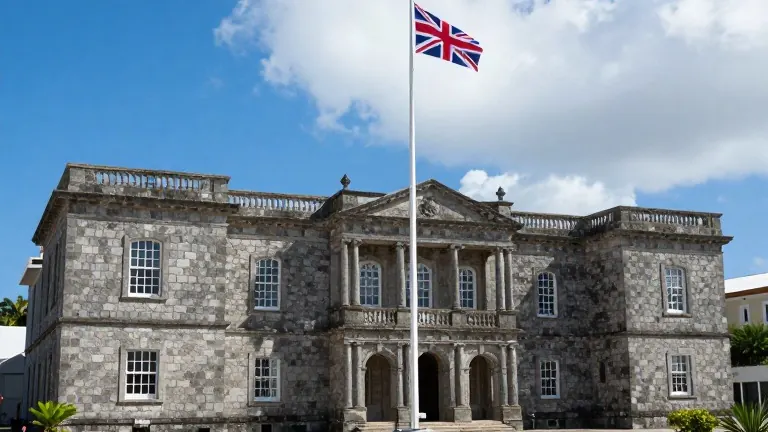
British Prime Minister Andy Burnham stated on Friday that he is prepared to accept a formal apology for the United Kingdom's role in the transatlantic slave trade. He made the announcement in an opinion piece published in The Guardian. Burnham explicitly rejected the idea of financial reparations, arguing that current British people who did not participate in the trade should not bear that cost.
The prime minister described the government's new approach as a structured dialogue with those affected by the historical events. He noted that listening to calls for a state apology would be a key part of this process. This position marks a change from previous U.K. stances, which generally declined to offer apologies or financial compensation for the era of slavery.
The transatlantic slave trade involved the trafficking of millions of Africans to the Americas. Enslaved people were forced to grow cash crops under conditions of violence and abuse. This system was central to the expansion of the British Empire and European colonialism.
Leaders in the Caribbean reacted to Burnham's comments. Mia Mottley, the prime minister of Barbados, welcomed the openness to a formal apology on social media. Andrew Holness, the prime minister of Jamaica, posted that open-minded dialogue is a good starting point for addressing difficult issues. Jamaica recently submitted its case for reparations to King Charles III. The matter has since been referred to the United Kingdom's highest court of appeal.
King Charles III is currently touring the Caribbean and is scheduled to preside over the Commonwealth Heads of Government Meeting in Antigua and Barbuda next week. During his visit to The Bahamas last week, the king stopped at Clifford Park. He had granted independence to the nation at that location in 1973 after 300 years of British rule.
Protesters from the Rastafarian community and other groups gathered on a nearby road during the king's visit. One woman shouted for the British to pay what they owed while standing in memory of the atrocities committed against Black people. Charles acknowledged the suffering of the past in his first public remarks on the island. He said it is right to recognize those injustices while celebrating present successes.
Source: NBC News