Ecuador Imposes Curfew in Five Coastal Provinces Amidst Expert Criticism
A ten-day nighttime movement restriction takes effect Sunday in the country's most violent regions, a measure security experts say targets visibility rather than the root causes of crime.
By Samuel Hayes ·
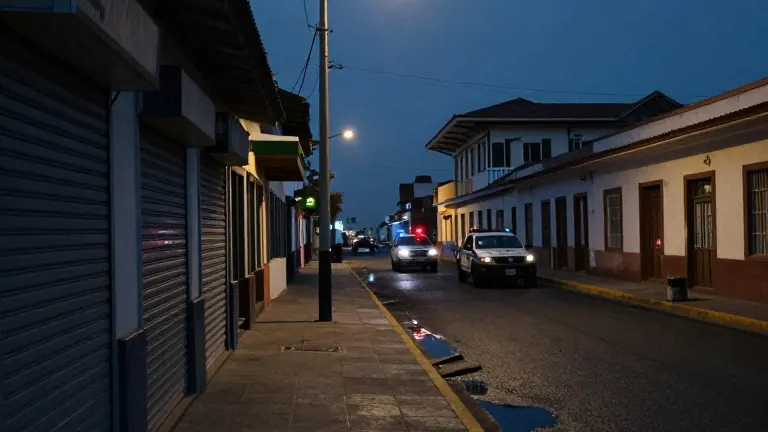
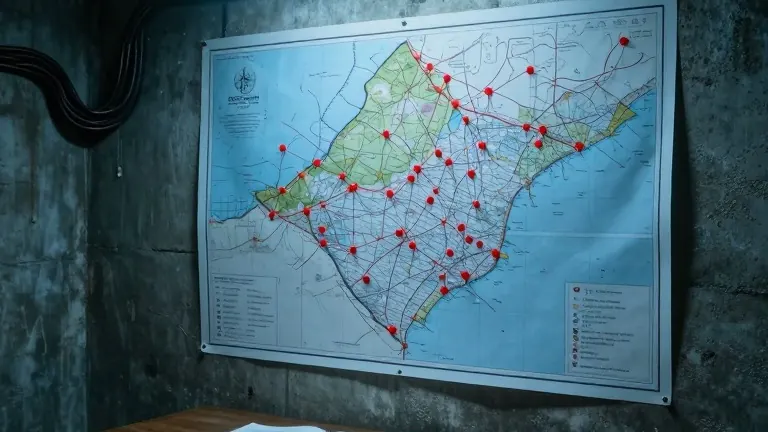
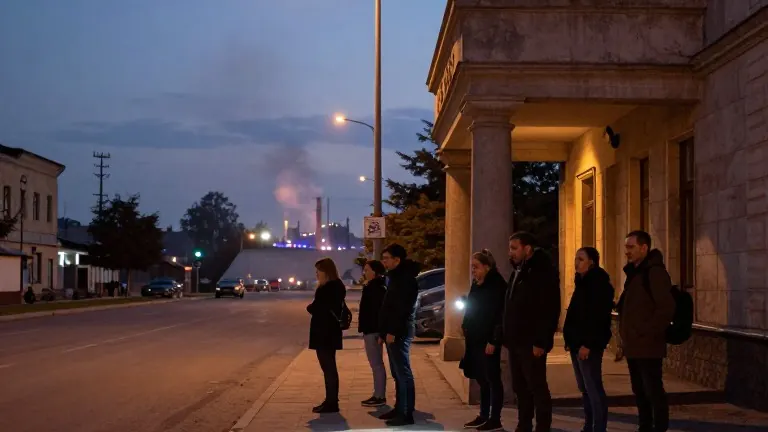
Ecuador entered a ten-day curfew on Sunday, restricting movement in five coastal provinces with the highest rates of criminal activity. The decree, issued by President Daniel Noboa's administration, bans public transit from midnight to 5:00 a.m. in the provinces of Guayas, El Oro, Los Ríos, Esmeraldas, and Manabí.
The Interior Ministry announced that security operations were deployed to enforce the rule. John Reimberg, the minister of the interior, stated on Friday that the government is implementing important measures to improve security, though he provided few specific details about the deployment.
A police report cited in the executive order notes that more than 90% of homicides in these areas are linked to criminal violence. The document also lists a continuation of extortion kidnappings, extortions, homicides, and the theft of weapons as key issues in the region.
Ecuador has experienced a decade of rising insecurity driven by drug trafficking cartels. The country recorded 9,216 murders in 2025, the most in its history, equating to 50 deaths per 100,000 inhabitants. Official figures show that homicides fell by 8% between January and September 2026, a decrease of approximately 500 cases compared to the same period in the previous year.
Diego Pérez, a security expert and professor at the National Higher Education Institute, questioned the effectiveness of the curfew. Speaking to The Associated Press, Pérez argued that the measure is designed to make government action visible rather than to address the structural center of violence. He described the strategy as media-oriented and noted that criminal organizations are flexible enough to shift operations to other provinces if pressure is applied in Guayas.
This is the fourth time the Noboa administration has applied such a restriction, having done so in March, May, and September. Each previous instance saw the government emphasize positive outcomes. However, domestic and international human rights bodies have raised concerns about the strategy. Pérez warned of the risks associated with the intensive and extensive use of the armed forces, which he said could lead to institutional weakening.
The curfew is set to remain in force for ten days. The five affected provinces continue to serve as primary hubs for the criminal networks that have defined the country's recent security crisis.
Source: Stamford Advocate