Thomas questions scope of Maryland sensitive place gun laws
A Supreme Court justice cast doubt on broad firearm restrictions in public areas while the court declined to hear the case immediately.
By News Media House Staff ·
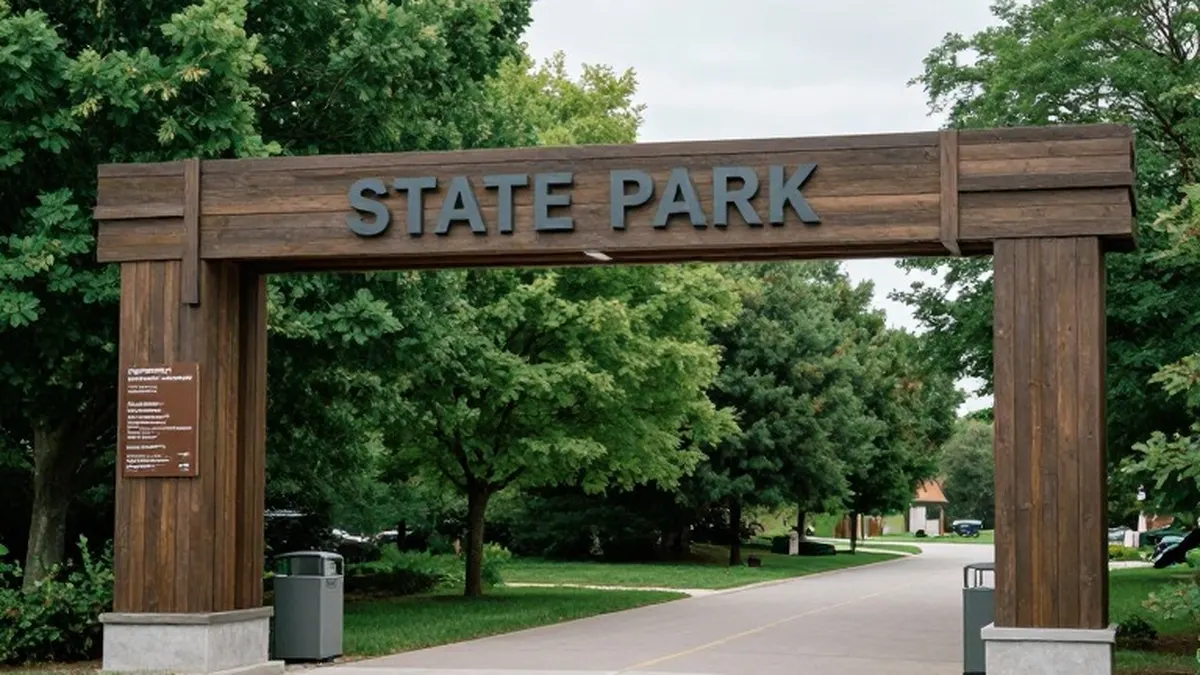
The Supreme Court on Monday declined to hear a legal challenge regarding Maryland's laws that restrict the carrying of firearms in designated sensitive places. These locations include state parks, mass transit stations, and other public areas where guns are often limited. While the majority of the justices voted to leave the lower court's decision standing, Justice Clarence Thomas expressed significant reservations about the validity of such broad restrictions.
In a written statement, Thomas indicated that he harbors serious doubts about whether the nation's historical tradition of firearm regulation supports many of these sweeping bans. He argued that in a future, appropriate case, the Court should examine whether specific sensitive place laws align with the constitutional right to carry firearms in public. This comment suggests that while the issue was not decided this time, it remains a priority for the justice.
Thomas ultimately voted with his colleagues to defer the issue for now. He noted that the specific lawsuit filed against Maryland raised a wide variety of questions because it challenged multiple restricted locations at once. He signaled that he would be more inclined to take up a future challenge that is narrowly focused on a single type of location or restriction.
The justice holds a pivotal role in shaping Second Amendment jurisprudence. As the court's longest-serving conservative, Thomas authored the majority opinion in 2022. That decision established a test requiring gun control measures to be consistent with the nation's historical tradition of firearm regulation to survive constitutional scrutiny. This framework has since led lower courts to strike down numerous gun restrictions enacted by localities and states with Democratic majorities.
The current legal landscape is shifting rapidly under this new standard. Courts have invalidated a flurry of gun restrictions in recent years. Furthermore, the Supreme Court is set to hear arguments next month on a different but related issue. The case involves bans on AR-15 style rifles passed in the Chicago area and Connecticut, which will further test the limits of historical firearm regulation.
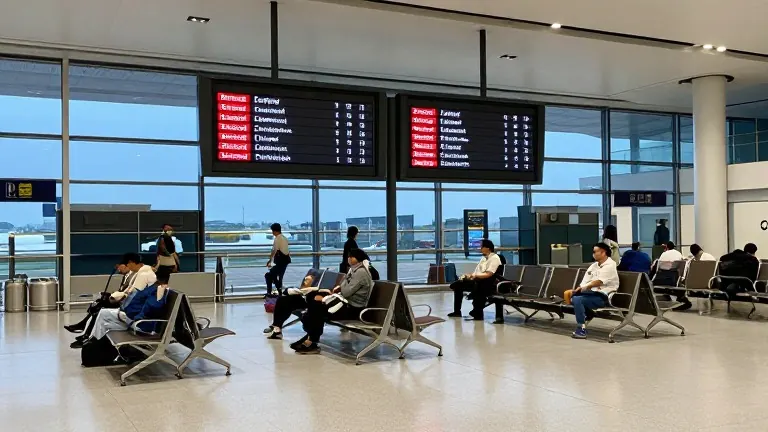
Maryland, like many other states, maintains a list of areas where firearms are restricted. These include mass transit facilities, casinos, places that sell alcohol, state parks, and healthcare facilities. While the conservative majority on the Court has suggested that some places, such as schools and government buildings, have a long-standing tradition of excluding firearms, Thomas insinuated that some states are using this exception to reach too far in their regulations.
Thomas specifically criticized the cumulative effect of Maryland's restrictions. He wrote that the combined impact of these laws is to prohibit firearms wherever people gather for eating, drinking, recreation, amusement, and free speech. He described this outcome as an affront to the rights of law-abiding citizens, highlighting his concern that the state's regulations may be overly broad in scope.
The decision does not change the law in Maryland at this time, as the Court did not issue a ruling on the merits of the case. However, Thomas's comments provide a clear signal to future litigants and lower courts. He appears prepared to revisit the issue if presented with a more focused legal challenge that isolates specific types of sensitive places for detailed analysis.
The case underscores the ongoing tension between state-level gun control efforts and the evolving interpretation of the Second Amendment. As the Court continues to apply the historical tradition test, the definition of sensitive places will likely remain a contentious area of legal debate. Justice Thomas's stance suggests a willingness to scrutinize these definitions more closely in the coming years.
For now, the restrictions in Maryland remain in effect. The Court's decision to turn away the challenge means that the lower court's ruling will stand. Yet, the dissenting views expressed by Thomas indicate that the legal battle over public carry rights is far from over, with future cases potentially reshaping the landscape for firearm owners and regulators alike.
Originally published by News Media House
More News · National news · Report a business · Got a Story?