Teen found alive after 6 days lost in Australian woodlands
Police helicopter crew located the 17-year-old asleep on a rock beside a creek, 115 miles from Melbourne.
By Samuel Hayes ·
A 17-year-old boy with autism was rescued on Thursday after spending six days lost in the woodlands of eastern Australia. Police identified the teen only as William. He had disappeared last Friday near Walhalla, a former gold-mining town 185 kilometers east of Melbourne.
William had gone on a camping trip with a teenage friend. His mother, Elizabeth, dropped them off for the weekend. William walked a short distance from the campsite to collect additional gear. He never returned to his friend. The teen has Level 2 autism, a condition that requires substantial support for social communication and reliance on routines.
Acting Police Inspector Jason Benbow said the boy trekked up and down steep terrain for several days. He became trapped near a creek 2 kilometers from his original campsite. The Southern Hemisphere spring weather was mild with little rain during that week.
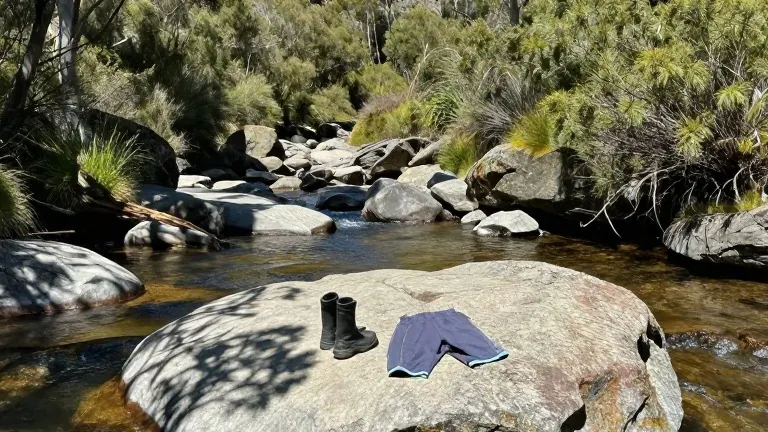
A police helicopter crew found William asleep on a flat rock beside the water. He was shirtless, sunburned, and wearing shorts and boots. He used towels as blankets. He woke to the sound of the aircraft and gave the crew a thumbs up. They winched him to safety. He was in good spirits and mostly in good health, according to a police statement.
Elizabeth spoke to reporters after her son was reunited with her. She said, “I’m just over the moon that he’s alive.” She joked that he is grounded for life and never leaving the house again. AP reporters chose not to use her family name to protect her son’s privacy. William was taken to a hospital for monitoring.
The search involved more than 100 emergency services personnel and volunteers. The operation covered a wide area of the alpine region. No other injuries were reported from the rescue. The boy’s friend was located separately.
William is expected to remain in the hospital for observation. His family is coordinating with medical staff. The next phase of the process involves a formal review of the search operation. No further public updates are scheduled at this time.