Stephen Miller Named White House Chief of Staff After Midterm Losses
The move follows a sweep by Democrats in the November 3 elections, triggering immediate calls for congressional oversight.
By Lauren Foster ·
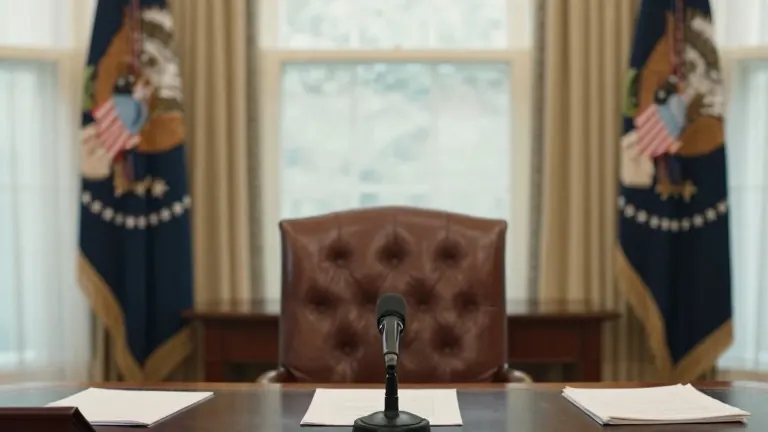
The White House leadership structure changes on Monday when Stephen Miller assumes the role of Chief of Staff. President Donald Trump made the announcement on Friday afternoon. This personnel shift occurs immediately after the midterm elections on Tuesday, in which Republicans lost control of both chambers of Congress to the Democratic Party.
Miller has served as Deputy Chief of Staff in Trump’s second term. He is widely recognized as the central architect of the administration's immigration strategy. That work includes mass deportation efforts and the closure of the US-Mexico border. Miller has overseen these homeland security initiatives alongside border czar Tom Homan.
The new Chief of Staff previously held the titles of senior advisor and speechwriter in the first Trump administration. During that period, he collaborated with strategist Steve Bannon on the Muslim ban policy. He also advised the president on gradually ending the Deferred Action for Childhood Arrivals program, known as DACA.
Susie Wiles, 69, steps down from the position. She was diagnosed with breast cancer earlier this year. Wiles underwent six months of chemotherapy while managing her duties. In September, she announced that pathology results showed she was cancer-free. In a statement posted on X, she described serving the president as an honor of a lifetime.
“While my role may be changing, my commitment to the President and the mission never will,” Wiles said. Trump praised her service during his Friday remarks. He called Miller a great manager who has been with him from the beginning.
The promotion has drawn swift criticism from Democrats. Rep. Robert Garcia, who is expected to lead the House Oversight Committee, said Miller should lawyer up. Garcia stated that oversight Democrats will investigate Miller for misconduct. They also plan to fight his policies in Congress and the courts.