Seasonal Affective Disorder Rates Rise As Afternoons Darken After Clock Change
Researchers link reduced blue light exposure to mood changes, while experts advise specific light therapy protocols and cognitive behavioral strategies for treatment.
By Fatima Saleh ·
Seasonal Affective Disorder, or SAD, is impacting millions of individuals as daylight hours shorten and clocks revert to standard time. The shift to darker afternoons, which occurred on Nov. 1 across much of the United States, serves as a primary trigger for episodes of depression that typically begin in the fall and resolve in the spring or summer. A milder form known as subsyndromal SAD is also recognized by medical professionals, alongside a less understood summer variety of the condition.
The term SAD was coined in 1984 by Dr. Norman Rosenthal, a researcher at the National Institutes of Health at the time. Rosenthal noted that the acronym has persisted because it is easy to remember. While no single cause for the disorder has been identified, the NIH reports that it affects many more women than men. Symptoms often mirror those of general depression, including persistent hopelessness, pessimism, and difficulties with concentration, memory, and decision-making.
Scientists are currently investigating how specialized cells in the human eye process the blue wavelength of the light spectrum. These cells convert blue light into neural signals that influence mood and alertness. Sunlight is rich in blue light, and its absorption activates the brain's alertness centers, leading to increased wakefulness and potential improvements in mood.
Researcher Kathryn Roecklein at the University of Pittsburgh conducted tests comparing individuals with and without SAD to observe their ocular reactions to blue light. The data showed that people with SAD were less sensitive to blue light than others, a difference that was particularly pronounced during the winter months. This reduced sensitivity suggests a potential biological mechanism for wintertime depression.
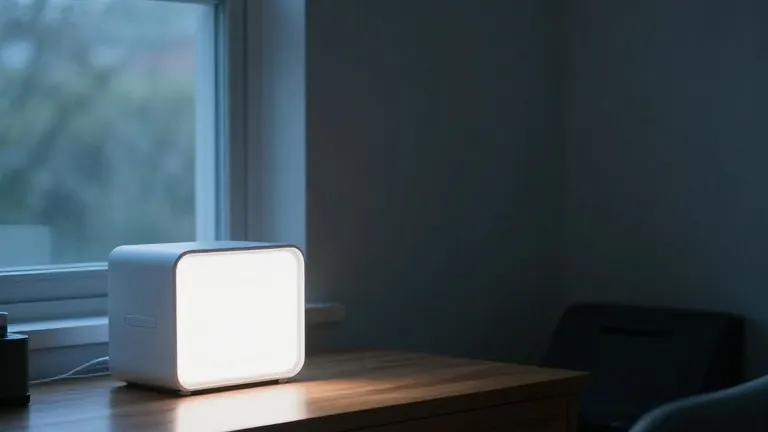
Dr. Paul Desan of Yale University’s Winter Depression Research Clinic states that many people with SAD respond to light therapy. This treatment involves exposure to bright light for approximately 30 minutes in the morning. The devices used for this purpose emit light that is about 20 times brighter than standard indoor lighting. Research supports the use of light with an intensity of about 10,000 lux to achieve therapeutic benefits.
Desan notes that light therapy can assist not only those with diagnosed SAD but also individuals experiencing less severe winter mood changes. Consumer products range in price from $50 to more than $400. However, Desan warns that some marketed products are too dim to provide meaningful results. Yale University has tested various products and offers a list of recommendations, while the nonprofit Center for Environmental Therapeutics provides a consumer guide for selecting appropriate equipment.
Individuals with a doctor's diagnosis should verify with their insurance providers whether the cost of a light box is covered. Antidepressant medications are considered a first-line treatment for SAD alongside light therapy. Medical professionals also recommend maintaining a regular sleep schedule and spending time outdoors, even on cloudy days, to support mental health.
The benefits of light therapy can diminish when usage stops. Kelly Rohan, a researcher at the University of Vermont, indicates that cognitive behavioral therapy, or CBT, offers more durable effects in studies. CBT involves working with a therapist to identify and modify unhelpful thought patterns. Rohan suggests that therapy helps patients take small steps toward enjoyment, such as planning simple activities or meeting a friend for coffee to break out of hibernation mode.