Piedmont Triad households face rising costs for housing, utilities, and debt
Rent, energy bills, and car expenses have outpaced income for many families in Greensboro, Winston-Salem, and High Point, leading to increased credit card balances.
By Fatima Saleh ·
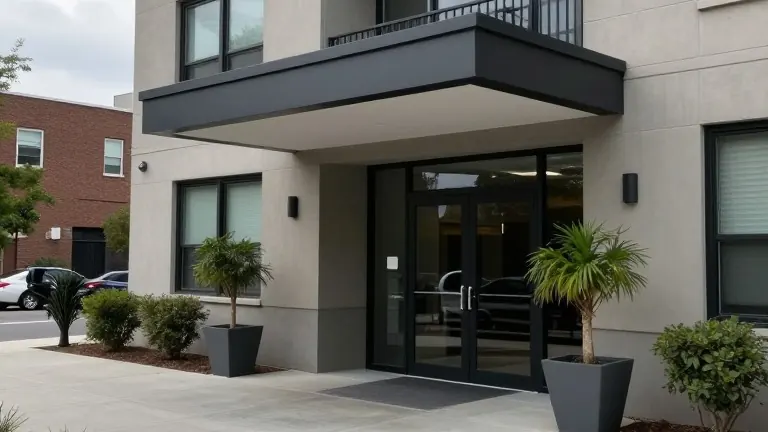
Residents in the Piedmont Triad are paying more to keep roofs over their heads and lights on than they did just a few years ago.
For a long time, the region was known for affordable living. That reputation has faded for many households. Budgets that once stretched easily now face tight squeezes from multiple directions. Money that used to go toward savings or leisure now goes toward covering gaps in the monthly budget.
Housing costs have risen sharply across Greensboro, Winston-Salem, and High Point. New apartment complexes near downtown Greensboro and Winston-Salem’s Innovation Quarter set higher price points. Older buildings have raised rents to match those new standards. Tenants renewing leases often find significant increases. The U.S. Department of Housing and Urban Development publishes fair market rent data that reflects these climbs. These figures influence housing vouchers and landlord pricing strategies.
Moving to a cheaper unit offers limited relief because the process costs money. Application fees, security deposits, and pet deposits must be paid upfront. Moving trucks and utility setup fees add to the expense. For families already stretched thin, the cost of leaving can be a barrier to finding more affordable space.
Buying a home presents different financial pressures. Saving for a down payment can take years. Higher interest rates have increased monthly mortgage payments even for modest houses. Property tax revaluations and rising homeowners insurance premiums in North Carolina add to the burden. While a mortgage may be more predictable than rent, it is often more expensive in the early years.
Utility bills have also increased. Summers in the Triad are long and humid, making air conditioning a necessity. Electric and natural gas rates have gone up in recent years. Older rentals with poor insulation drive these costs even higher. Water and sewer rates have climbed as cities replace aging pipes. Households now face variable monthly bills rather than fixed costs.
Transportation costs remain high because the region is spread out. Public transit does not reach all residents. Many people spend time on Interstate 40 or Interstate 85. This requires spending on gas, car upkeep, registration, and insurance. A single unexpected car repair can wipe out a month’s savings. Food prices remain elevated. Childcare costs for young children can approach the cost of rent. The MIT Living Wage Calculator shows that the income needed to cover basics in each county often surprises residents who view the area as cheap.
When expenses rise faster than pay, credit cards often fill the gap. Small charges for car repairs, high power bills, or holiday gifts accumulate. Each charge seems manageable at the time, but balances remain if new bills arrive the following month. Credit cards carry high interest rates. Carrying a balance adds interest every month, and minimum payments rarely reduce the principal significantly. The Federal Reserve Bank of New York tracks these growing balances nationwide, and Triad households are part of that trend.
Some residents are turning to loan consolidation to manage this debt. Consolidation combines multiple credit card balances into a single loan with one monthly payment. This reduces the number of due dates to track and may lower the interest rate if the borrower’s credit is in fair or good shape. Personal loans have fixed terms, providing a clear end date for repayment. This structure offers more certainty than paying minimums on several credit cards. However, consolidation works best when borrowers stop adding new charges to the paid-off cards. Comparing interest rates, upfront fees, and total loan costs is essential before signing an agreement.
More Business · Greensboro news · Scam Watch · Report a business · Got a Story?