Mid-America Transplant Cuts Sample Transport Time with Missouri Drone Corridor
The company now uses drones to move donor blood from Springfield to St. Louis, a route that reduced travel time from over three hours to under two.
By Fatima Saleh ·
Organ transplant patients in the United States typically wait one to two years for a procedure, with some remaining on lists for five years or more. While the number of transplants rose to nearly 50,000 in 2025, delays in testing donor samples continue to affect how quickly matches are confirmed.
To address this lag, Mid-America Transplant began using drones to carry donor blood samples within Missouri. The state opened the first dedicated healthcare drone corridor in the nation in April 2026. This infrastructure allows for a direct air link between donor sites in Springfield and a laboratory in the St. Louis area.
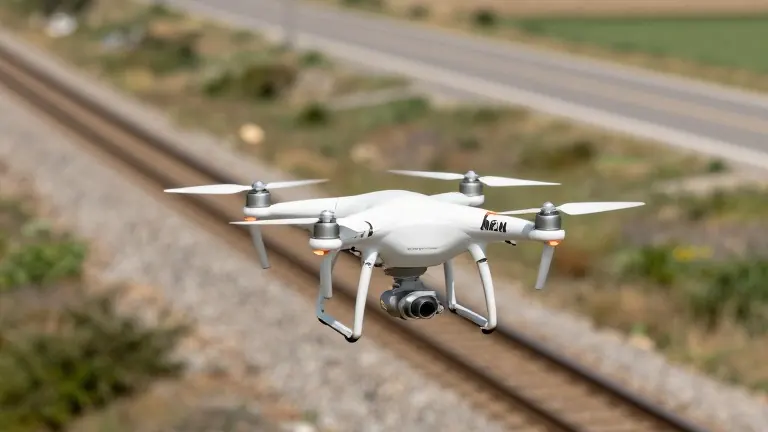
The flight path begins near Springfield, where samples from potential organ and tissue donors are loaded onto the aircraft. The drone travels approximately 94 miles to a relay point. There, a technician replaces the battery. The aircraft then continues a 66-mile flight to the Boles Fire Protection District, where Mid-America Transplant staff conduct lab testing.
The route follows existing railway lines several miles north of Interstate 44. Drones operate during daylight hours at altitudes between 300 and 350 feet above ground level. Kevin Lee, President and CEO of Mid-America Transplant, stated that ground transport previously took more than three hours to retrieve samples from Springfield. The drone route completes the same trip in less than two hours at one-tenth the cost.
Lee expects the new method to reduce travel time by one-third. He noted that the company has always sought ways to improve donation and transplantation processes. "In our work, every second counts, and faster, more reliable transport of lab samples helps us honor each donor’s gift to its fullest potential," Lee said.
The drones include multiple redundant systems to handle mechanical issues. If an engine fails, backup systems allow the aircraft to land safely at a predetermined location. A coordinator then retrieves the lab sample. While the current operation focuses on blood samples, the long-term goal is for these drones to transport kidneys.
The U.S. recorded its highest number of organ transplants in 2025. Living donor registrations also increased slightly during that period. Despite these gains, federal data indicates that wait times for organ transplants remain substantial for many patients.
More Business · Scam Watch · Report a business · Got a Story?