Derna rebuilding showcases Haftar ambitions amid questions over spending
New homes and infrastructure have transformed the flood-hit Libyan city, while survivors await answers and critics question financial transparency and future flood protection.
By News Media House Staff ·
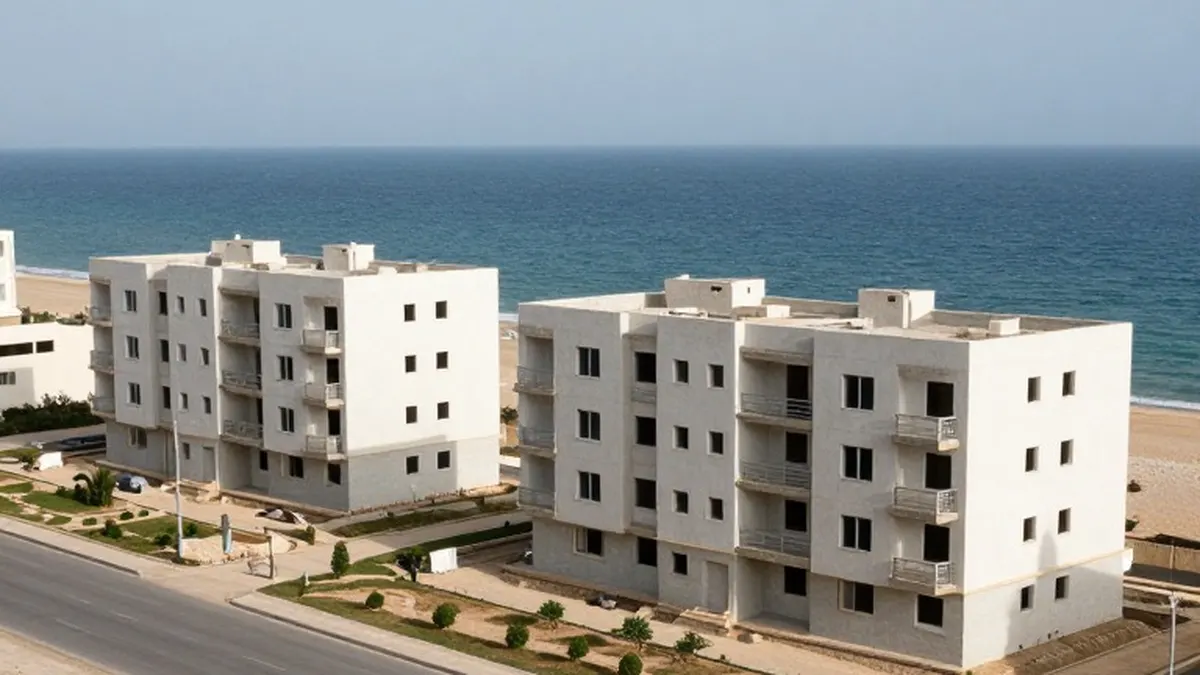
Three years after devastating floods swept through Derna, a $2bn reconstruction programme has delivered new homes, roads and bridges while becoming a showcase for the family of Khalifa Haftar, who controls eastern Libya. Funded from Libya's public finances through parliamentary allocations, the rebuilding is also drawing scrutiny over spending and accountability.
For Abdulwahab Damdoum, a 27-year-old port worker, the changes have brought security after years of upheaval. He, his wife and their two young daughters have received a free, 300-square-metre apartment overlooking the Mediterranean. The development, commissioned by Haftar's son Belkacem, includes a mosque, hospital, shopping mall and schools. Damdoum credits Belkacem, who heads the Development and Reconstruction Fund, with helping the city recover.
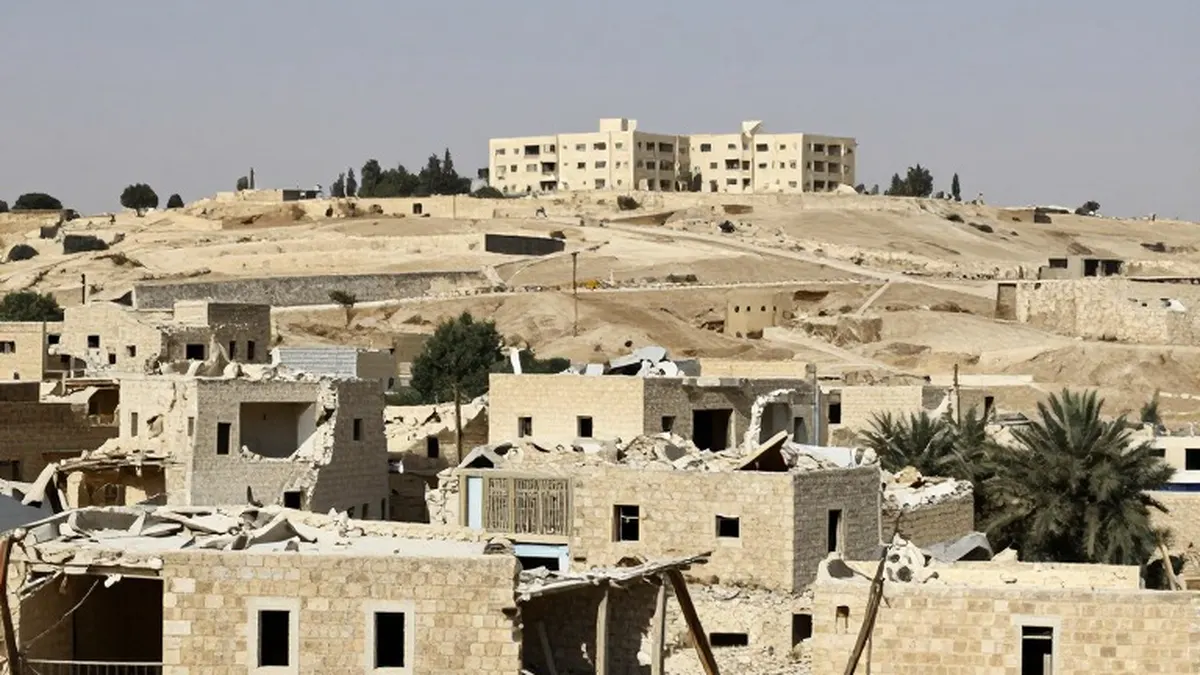
The disaster struck early on 11 September 2023, when rain brought by Storm Daniel overwhelmed two dams above Derna. Water reaching 7m high rushed into the sleeping city. Estimates of the death toll have reached 6,000, although about 4,000 now appears more likely. Damdoum survived on a rooftop, but all 14 relatives and neighbours sheltering there with him, including his father, brother and sister, drowned.
Other survivors are still waiting for their homes to be restored. University lecturer Izz al-Nasr Ibzeou lost his wife, her mother and his seven children, aged one to 11. Authorities have not finished restoring his ruined family house because he owns an undamaged apartment elsewhere. He visits the old home daily, where he keeps his children's belongings. Their bodies remain missing, and many graves in the city's flood cemetery carry numbers because DNA identification work is unfinished.
Belkacem has expanded reconstruction to Benghazi and other areas under his father's control. In 2025, the eastern-based parliament allocated nearly $11bn more for spending over three years, beyond the $2bn designated for Derna. Benghazi projects include skyscrapers, hospitals, housing and a renovated football stadium. The Haftar family hopes its development programme will strengthen its influence across Libya, which remains divided between rival eastern and western governments.
Belkacem told the BBC his achievements exceeded those of previous administrations. Critics, however, question both public participation in planning and the absence of published financial records. Claudia Gazzini of the International Crisis Group said the reconstruction fund had released no financial statements. Belkacem said independent audits were conducted and contracts met high international standards. He promised to share the audits with the BBC but did not provide them despite repeated requests.
Libya specialist Jalel Harchaoui, affiliated with London's Royal United Services Institute, said foreign contractors he had spoken to were commonly required to partner with Libyan companies indirectly linked to the Haftars or other powerful figures. He said foreign firms described doing most of the work while revenues were often divided equally, suggesting substantial overcharging. Belkacem denies corruption and says reconstruction funding passed through the Central Bank of Libya.
International human rights organisations have also accused eastern authorities and Khalifa Haftar's Libyan Arab Armed Forces of abuses, including secret executions, arbitrary detention and enforced disappearances. The family and the Benghazi-based government reject those allegations. Belkacem told the BBC that eastern Libya had complete freedom of speech.
Future flood protection remains another concern. There are no plans to rebuild the destroyed dams, making a repeat disaster on the same scale unlikely, but flooding remains possible. Gazzini said authorities had not accepted international expert advice on measures such as flood plains along the river, prioritising rapid reconstruction and residents' immediate needs over a comprehensive approach to managing water flows.
Originally published by News Media House