Federal Land Strategy: Interior Drafts Plan to Sell Public Parcels
The Department of the Interior’s new strategic plan proposes transferring federal lands to state and local entities, a move critics say threatens long-standing conservation efforts.
By Fatima Saleh ·
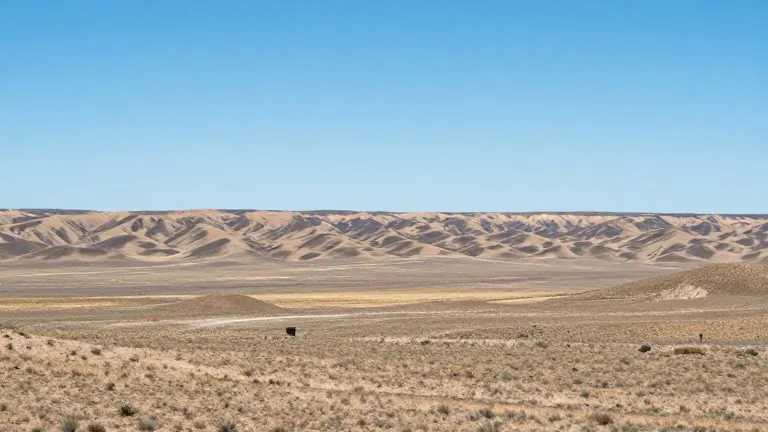
The U.S. Department of the Interior released a new strategic plan on Tuesday that proposes selling federal public lands to states, local governments, and tribes.
The document, titled Strategic Plan 2026-2030, outlines a shift in federal land management that advocates argue could undo decades of conservation work.
In the summer of 2025, Senator Mike Lee of Utah attempted to include a provision in a tax and spending bill to sell up to 3 million acres of federal land for housing and community needs. That amendment failed after public backlash. The current plan arrives about a week after Democrats won control of both chambers of Congress in the 2027 elections, a result that sets the stage for legislative challenges to the administration’s agenda.
Under federal law, Congress can block the sale of federal lands exceeding 2,500 acres. The administration can sell smaller parcels without legislative oversight. The plan states that Interior will offer these lands to states, localities, and tribes to focus resources on primary federal responsibilities and nationally significant areas.
Kate Groetzinger, communications director for the Center for Western Priorities, called the move a politically toxic lame duck maneuver. She noted that a 2026 survey by Colorado College found 74% of Western voters oppose selling national public lands for oil and gas development. Groetzinger warned that while the plan designates sales to government entities, those lands could eventually be privatized for profit if local budgets struggle to cover management costs.
The plan mentions pursuing strategic rights-of-way agreements and land exchanges to support reliable energy production. It specifically lists clean coal, oil, gas, hydroelectric, geothermal, and advanced nuclear technologies as reliable sources. Renewable energy sources such as wind and solar are excluded from that list. Groetzinger described the language as an open invitation to energy and mining companies to request specific parcels.
The strategic plan also calls for the Interior Department to consolidate its workforce to advance operational efficiencies. This follows the layoff of 300,000 federal workers last year, which included 18,998 separations at the Department of Agriculture and 7,210 at the Interior Department, according to Pew Research Center data. The plan states that a portion of proceeds from land sales will return to purchasing entities for conservation, while the rest reduces the federal taxpayer’s financial responsibility for managing lands.
Environment America’s Great Outdoors Campaign Director Ellen Montgomery stated in a statement that national leaders should focus on funding agencies that manage public lands and finding more wild places to protect. The plan has not yet prompted official responses from state governors or tribal leaders.
The federal government owns roughly 28% of U.S. land, or about 640 million out of 2.27 billion total acres. In five Western states including Nevada, Utah, Idaho, Alaska, and Oregon, the federal government owns more than 50% of the land. The plan says the effort will ensure the federal estate does not continue to grow while increasing recreation access for the American public.