COP31 Climate Talks Open in Turkey Without United States
Tens of thousands of delegates gather in Antalya as the Trump administration confirms its withdrawal from the annual U.N. negotiations.
By Lauren Foster ·
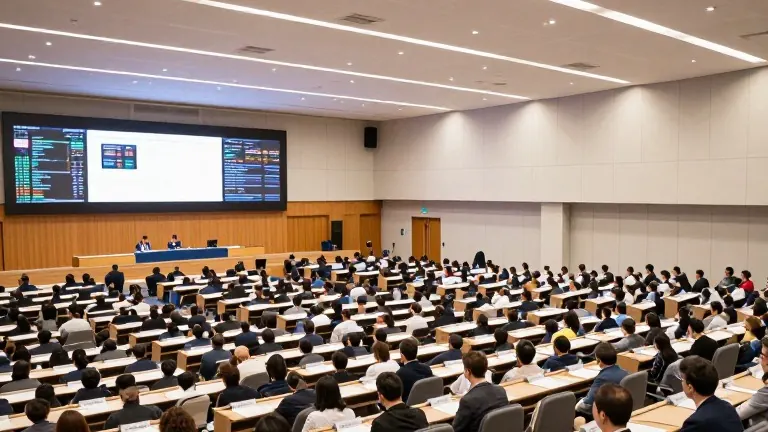
Negotiations for the 31st Conference of the Parties to the United Nations Framework Convention on Climate Change, known as COP31, begin Monday in Antalya, Turkey. Tens of thousands of people are gathering for the event, which marks the latest round of annual talks designed to coordinate a global response to rising temperatures. For residents of Greensboro, the conference represents the primary international mechanism for addressing the warming climate that affects local weather patterns and agricultural conditions.
The United States will not send a delegation to Turkey this year. The Trump administration announced its withdrawal from the U.N. climate negotiations last year. The State Department has confirmed that no U.S. representatives will be present at the talks. This absence removes the second largest climate polluter from the room, a role that has historically complicated discussions due to both American influence and its frequent blocking of specific climate efforts in previous years.
NPR climate editor Rachel Waldholz noted that the core goal of the talks remains twofold. Delegates aim to cut greenhouse gas emissions by transitioning away from fossil fuels such as coal, oil, and gas. They also seek to secure funding for developing nations to adapt to climate impacts. Waldholz pointed to massive flooding in Nepal this year as an example of the damage these countries face despite contributing little to historical pollution.
Global emissions data shows a mixed picture entering the conference. After years of steady growth, global greenhouse gas emissions were essentially flat in the past year. However, U.S. emissions increased slightly during that period. Some countries, including those in the European Union, have reduced their emissions. China’s emissions appear to have plateaued or may be declining. Renewable energy capacity has expanded faster than projections from a decade ago predicted.
The current geopolitical and economic environment is influencing the agenda. The Iran war is prompting shifts in the global economy, which is spurring investment in electric vehicles, wind power, solar power, and battery storage. Waldholz described these as electrification technologies. Despite this growth, she stated that the pace of change is not yet fast enough to avoid disastrous levels of warming in the coming decades.
This year’s negotiations focus on whether countries can agree to accelerate the transition away from fossil fuels. Delegates will also look for new methods to provide climate finance to vulnerable nations. With the United States absent, attention turns to whether other major players, such as China or the European Union, can fill the gap. The talks have continued for more than three decades, a period during which the planet has continued to warm.
More News · Greensboro news · Report a business · Got a Story?