California insurance rules force carriers to look back on fire losses
UC Berkeley economist Nancy Wallace argues that state regulations kept premiums artificially low, driving carriers out of the wildfire market.
By Fatima Saleh ·
UC Berkeley economist Nancy Wallace says California’s insurance regulators destroyed the market for homeowners in fire-prone areas. She made the assessment in an interview with NPR’s Planet Money newsletter last year. Wallace argues that state rules kept premiums artificially low, encouraging residents to build in high-risk zones while making it difficult for insurers to stay solvent.
The core of the regulatory conflict traces back to Proposition 103. Voters passed the measure in 1988. It required insurance companies to receive state approval before raising rates. Under the resulting system, insurers were mandated to use historical wildfire losses to set their prices. They could not rely on forward-looking catastrophe models. Wallace says this forced carriers to price a danger that was worsening based on data from the past.
This pricing mismatch created economic strain as devastating fires mounted. Insurers faced large payouts that did not align with their income. Many carriers eventually pulled out of the California market. The withdrawal left families like the author’s in a difficult position. They were forced onto the FAIR Plan, which serves as California’s insurer of last resort.
The FAIR Plan provides basic coverage, but it comes with limitations. Recent data indicates that the author’s family recently left the FAIR Plan. They moved to an insurer in the non-admitted market. This segment of the industry allows companies greater freedom to set prices and shape policies. The new policy offers better coverage than the previous one, but it lacks a specific safety net.
The trade-off in the non-admitted market is the absence of a state-mandated backstop. If the insurer fails, such as after a major fire destroys many homes, policyholders are not protected by the same mechanisms that aid the admitted market. This creates a new layer of financial risk for homeowners seeking reliable coverage.
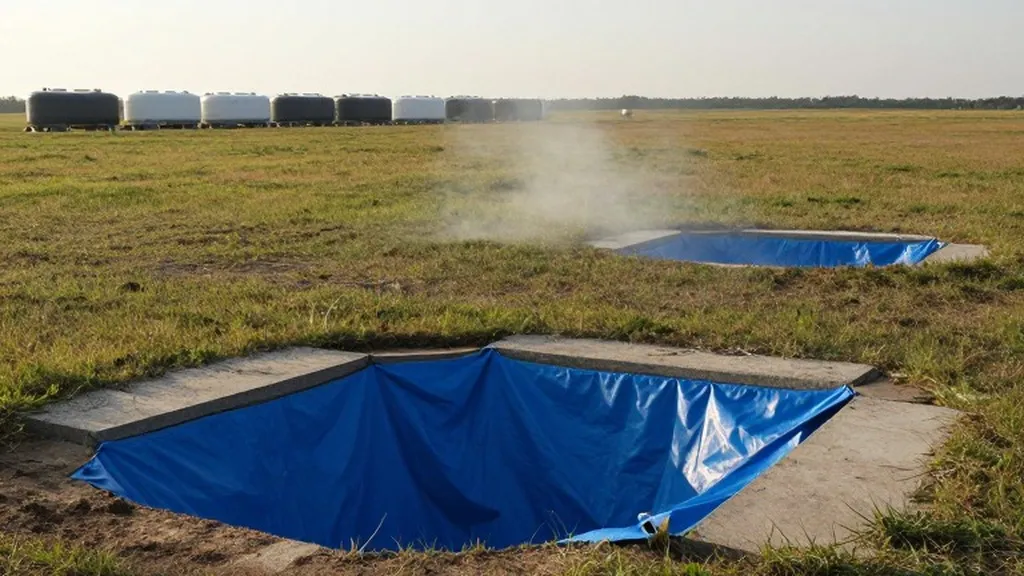
The insurance industry has a long history of testing risk mitigation. Some of the world's largest insurers fund a destruction lab in South Carolina. Researchers there use structures described as crash-test dummies for houses. They subject these mock homes to fire, hail, and hurricane-force winds. The goal is to determine which building designs limit damage and reduce potential payouts.
Insurers have conducted similar experiments for over a century. Underwriters Laboratories tested electrical wiring and consumer appliances in the early 20th century to reduce fire risks. The Insurance Institute for Highway Safety performs crash tests on vehicles to push for safer auto designs. These organizations help insurers understand how to limit losses before they occur.
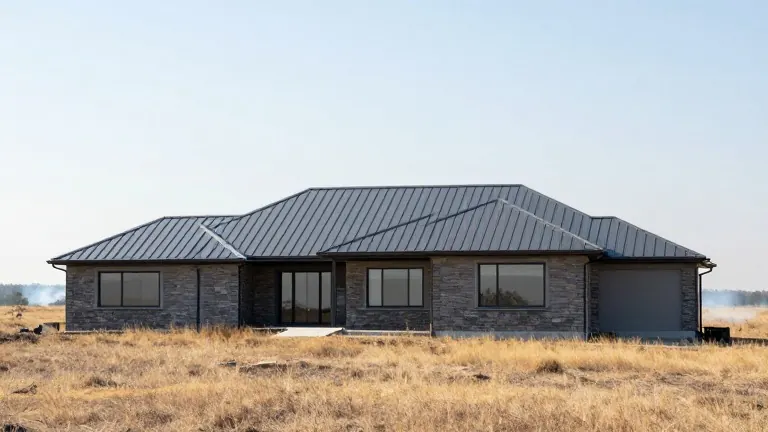
A persistent issue in this sector is moral hazard. This economic concept suggests that when insurance covers the cost of a loss, owners may have less incentive to prevent it. In wildfire country, homeowners might hesitate to install expensive upgrades like metal roofs or ember-resistant vents. If neighbors do not make similar investments, the overall risk for a single home remains elevated.
Insurers can counter this behavior by offering discounts for home hardening measures. However, residents in Paradise, California, report that these discounts are often tiny. They have worked to make their community safer from wildfires, but the reduction in their insurance bills has not matched the effort. This discrepancy raises questions about whether the market accurately reflects the risk reductions.
California adopted new rules in late 2024 to address some of these issues. The regulations allow insurers to use forward-looking models for future wildfire losses. In exchange, carriers must write more policies in high-risk areas. UC San Diego economist Judson Boomhower noted that the market will continue to insure these places, but prices will rise. He stated that higher prices are a sign that the market has healed.
More Business · Greensboro news · Scam Watch · Report a business · Got a Story?