Apple warns rising memory chip costs will squeeze profit margins
Apple shares fell in after-hours trading as the company warned of mounting memory costs despite revenue and earnings beating analysts’ expectations.
By News Media House Staff ·
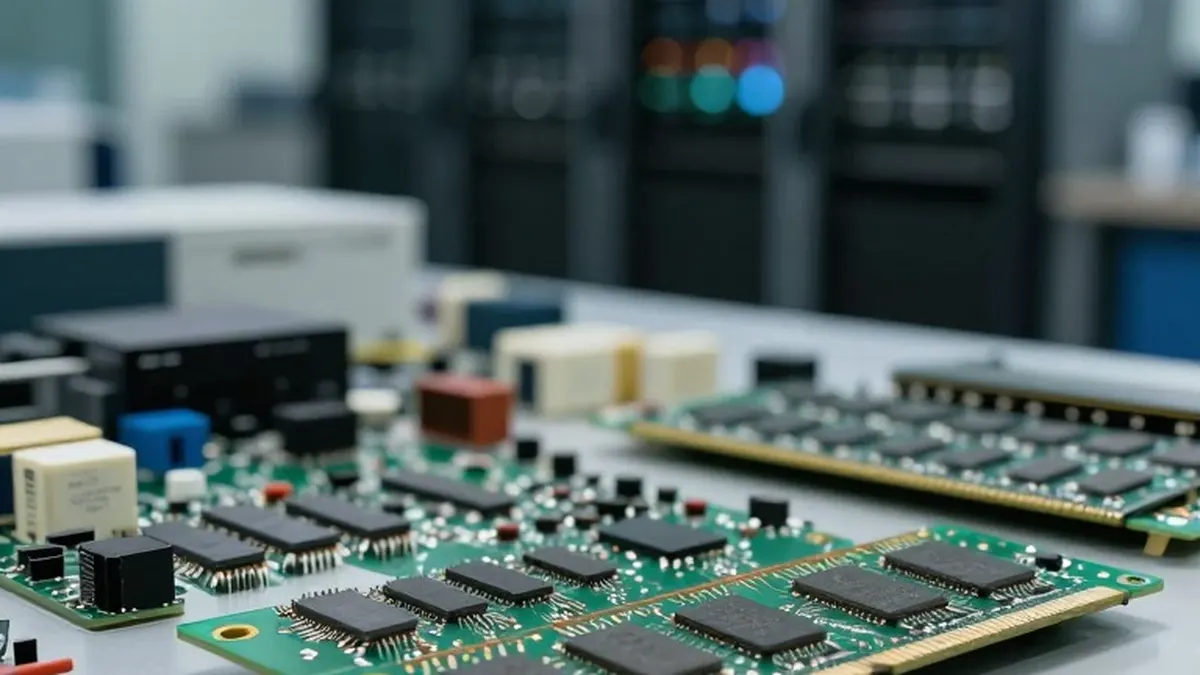
Apple has warned that a surge in memory chip prices will put pressure on its profit margins as the company competes with datacentres for supplies. The warning overshadowed quarterly results that exceeded analysts’ forecasts, with shares in the iPhone maker falling 2.75% in after-hours trading on Wall Street.
Speaking to investors on Monday, Apple’s new chief executive, John Ternus, described the increase in memory prices as “unprecedented”. He said costs in the fourth quarter of 2026 were expected to exceed those in the preceding three months. Growing demand from artificial intelligence datacentres has pushed up memory chip prices for months, creating an industry squeeze dubbed “RAMageddon”.
Apple has already increased prices across several product lines. Ternus said the June price rises for iPads and MacBooks, followed by higher iPhone prices in September, had “provided some offset” against the mounting costs. His comments accompanied results that offered a positive start to his leadership of the company, which began in September.
For the July-September period, Apple reported earnings of $30.71bn, equivalent to £22.89bn, compared with $27.47bn a year earlier, an increase of 12%. Earnings per share climbed from $1.85 to $2.10, including five cents from tariff refunds. Revenue also grew 12%, reaching $114.5bn compared with $102.5bn in the same period last year. Analysts surveyed by FactSet had forecast earnings of $1.99 a share and revenue of $113.4bn.
Ben Barringer, head of technology research at Quilter Cheviot, gave the results a mixed assessment, calling them “OK, if on the disappointing side”. He attributed the revenue increase mainly to iPhone sales and strong demand for the Mac Mini, which users can use to apply agentic AI. Growth in China was robust, he said, while iPads and wearables disappointed. Services revenue increased 10%, below the group’s overall growth rate.
Barringer also pointed to interest in the iPhone Duo, although the product has yet to reach full release. He said there were hopes it could support Apple’s next phase of product innovation, while emphasising that it remained early days.
The figures contrasted with disappointing quarterly results from technology companies including Alphabet, Amazon and Intel. Emarketer analyst Jacob Bourne said Apple’s record iPhone revenue and strong Chinese growth showed the resilience of its business.
Bourne also said Apple’s restrained approach to AI infrastructure spending had helped protect its cashflow as investors questioned rivals’ large investments. Partnerships with businesses such as Alphabet could strengthen Apple’s AI capabilities, he said, without exposing it to the same financial risks as its peers.
Originally published by News Media House · Source: The Guardian