32 Years of Texas GOP Control Ends in Single Night
Party leaders declare the state has turned blue after winning the Senate, governorship, and state house, though Republicans dispute the long-term shift.
By Fatima Saleh ·

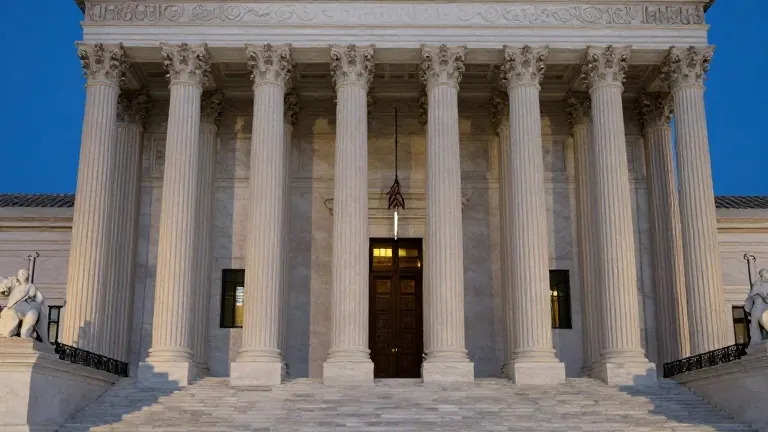
Texas voters elected Democrats to the U.S. Senate, the governorship, and a majority in the state house in the recent midterm elections. This result ends a 32-year streak of Republican victories in statewide races. The changes affect the balance of power in the largest Republican state in the nation.
Joshua Blank, research director of the Texas Politics Project at UT Austin, described the outcome as unexpected. He stated that the scope and scale of the Democratic victories were not predicted by political models. The wins mark a sharp departure from the state's historical voting patterns.
Libby Schneider, deputy executive director of the Democratic National Committee, announced that the party now views Texas as a blue state. She characterized the election results as a referendum on thirty years of Republican control. Schneider argued that the party had failed to deliver results for Texans during that period.
Schneider linked the victory to a broader southern strategy. She explained that population growth in the region makes the South a central focus for the next decade. She noted that the shift aligns with the party's belief that the South is the present political center, not just a future target. The DNC plans to invest resources in Florida, Alabama, and Louisiana as part of this effort.
Senator John Cornyn of Texas disputed the narrative that the state has changed permanently. He stated on Wednesday that Texas is neither a blue nor a purple state. He maintained that the recent election does not define the state's long-term political identity.
Blank suggested that winning a presidential election in Texas remains difficult. He said Democrats must commit substantial time and resources to compete effectively. He pointed out that the recent win relied heavily on low Republican turnout. Blank noted that registered Republican voters outnumber Democrats in the state.
Blank observed that Republicans spent three elections to achieve what Democrats did in one. He warned that the competitive nature of the state may change if Republican voters reengage. The current margin of victory reflects a mix of high Democratic turnout and low Republican participation.