UNLV researcher explains why winter affects Las Vegas mood despite sunshine
Local psychologist details how the loss of daylight hours triggers Seasonal Affective Disorder in the desert, even when snow is rare.
By Samuel Hayes ·
Local residents often assume that mild winters protect them from seasonal mental health issues, but experts say the risk remains real.
The American Psychiatric Association reports that approximately 5% of U.S. adults experience Seasonal Affective Disorder, or SAD. This condition affects one in twenty people, causing a drop in energy, mood, and appetite during colder months. Symptoms include fatigue and feelings of hopelessness that can keep individuals indoors for days.
Stephen Benning, an associate professor of psychology at the University of Nevada, Las Vegas, points to the change in daylight as a primary driver. He notes that the region loses about a third of its daylight hours as it moves from summer to winter. Daylight drops from roughly 15 hours to about 10 hours. Benning explains that this reduction means the body receives fewer cues to stay awake and maintain its normal daily routine.
The decrease in sun exposure also impacts chemical processes in the brain. Benning states that less sunlight leads to lower production of vitamin D. The body uses vitamin D to help produce serotonin, a neurotransmitter that helps inhibit negative emotional signals. When serotonin levels fluctuate, mood regulation becomes more difficult.
While Las Vegas sees more sun than many other parts of the country, the local climate does not offer complete protection. Benning argues that the universal disruption to social rhythms caused by less daylight places residents in a vulnerable position. He observes that people whose daily patterns are disrupted face a higher risk of depressive episodes. This happens because predictable rewards, such as the endorphin surge from a workout or the social benefit of being outside, become harder to access.
Benning notes that there is no single method to predict who will be susceptible to these seasonal shifts. He has observed that individuals who have never shown depressive symptoms before can still develop SAD during the winter months. He distinguishes this condition from the temporary stress of holiday planning or travel. While those social stresses usually fade within a few weeks, SAD symptoms can persist for several months.
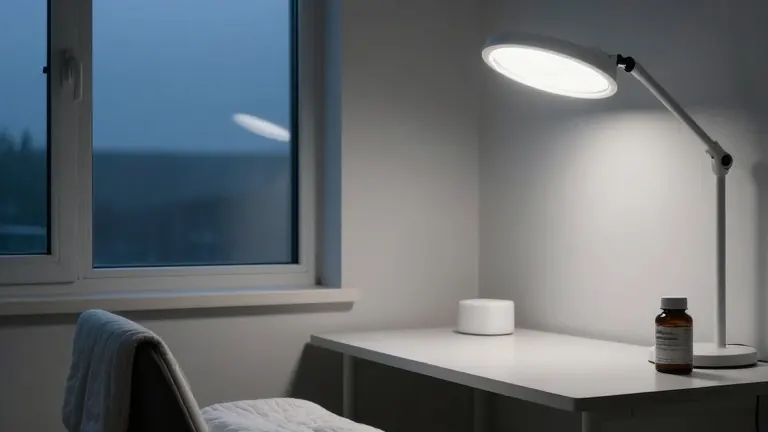
Treatment options exist to manage the condition. Benning recommends light therapy lamps that emit 10,000 lux of brightness to mimic natural daylight. He suggests using these devices in the morning to signal to the body that it is time to be active. He also advocates for behavioral activation therapy, a treatment where therapists help patients monitor their moods and reconnect with enjoyable activities. In a city with ample winter sunshine, taking walks outside remains a practical part of that recovery.
Beyond therapy and light exposure, Benning suggests considering supplements for vitamin D. He advises that individuals consult a doctor to determine the correct dosage based on their current levels. He also mentions weighted blankets as a tool for those struggling with sleep. While not suitable for everyone, the gentle pressure of a weighted blanket can help reduce stress and improve sleep quality. Poor sleep often points to underlying mental health issues, making rest a critical component of treatment.
The combination of these factors creates a specific challenge for desert dwellers. The physical environment remains relatively stable, but the internal biological clocks adjust to the shorter days. Recognizing the drop in daylight as a physiological trigger helps explain why mood changes occur even without extreme weather.