UK Inflation Reaches One-Year High as Fuel Costs Spike
British inflation climbed to 3.6% in October, driven by record diesel prices and rising petrol costs linked to the Middle East conflict.
By News Media House Staff ·
Inflation in the United Kingdom increased to 3.6% in October, marking the highest level in the past year. The rise was primarily attributed to surging fuel costs, with diesel prices reaching a historic peak and petrol costs climbing significantly. These developments are a direct consequence of the ongoing war in the Middle East, which has disrupted global energy markets.
Data released by the Office for National Statistics indicates that the headline consumer price index rate jumped from 3.5% in September. This figure aligned with the expectations set by economists in the City. As households prepare for colder winter months while facing soaring gas and electricity bills, the latest data highlights the growing pressure on living costs.
Grant Fitzner, the chief economist at the ONS, noted that fuel prices were a major contributor to the annual increase. He explained that the costs of raw materials and goods leaving factories continue to rise, driven by higher crude oil and petrol prices. This trend reflects broader supply chain pressures exacerbated by global geopolitical tensions.
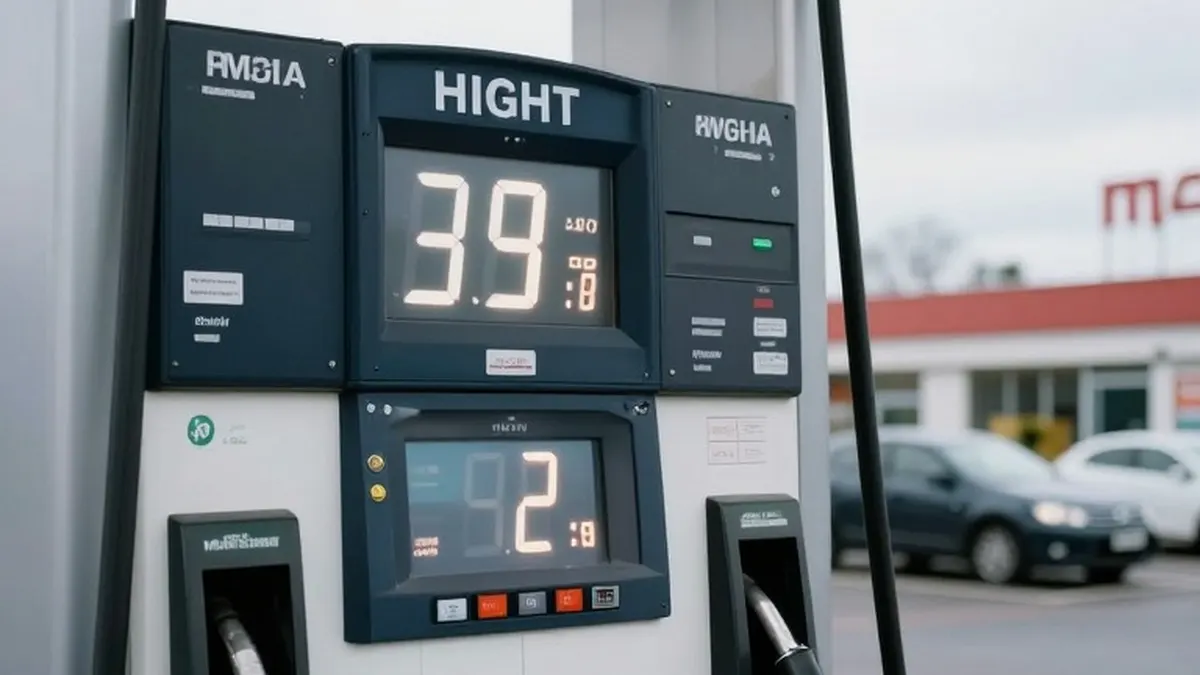
The impact on motorists has been substantial. Fuel prices rose at an annual rate of 33.2%, the largest increase since July 2022, a period previously marked by the energy price spike following Russia's invasion of Ukraine. The average price of petrol increased by 5.2p per litre between September and October, reaching 174.7p per litre. This represents the highest level in four years.
Diesel experienced an even more dramatic surge, with prices rising by 7p per litre to hit 199.5p. This figure is the highest recorded since data collection began in 1996. The sharp increase in fuel costs has further complicated the financial outlook for consumers and businesses alike across the country.
In response to the fresh cost of living squeeze, the government of Andy Burnham has pledged additional support for households. At the budget last month, Chancellor John Healey announced a winter handout of £100 for 20 million households. This measure aims to cushion the impact of the global economic storm triggered by the stop-start conflict with Iran.
Despite current interventions, forecasters expect inflation to rise further. The Bank of England anticipates that the rate could peak at nearly 5% next year. Earlier this month, the central bank raised interest rates from 3.75% to 4%, warning that further increases in borrowing costs might be necessary to combat the inflationary pressures unleashed by the Iran war.
Financial markets currently anticipate at least two quarter-point rate increases before the end of next year. Analysts suggest that the Bank of England could be forced to raise borrowing costs as early as next month. This proactive approach is intended to prevent inflation from becoming entrenched in the broader economy.
Core inflation, which excludes volatile categories such as energy, food, alcohol, and tobacco, remained unchanged at 2.8%. This figure matched economic forecasts. Services inflation also held steady at 3.7%, slightly below the City's prediction of 3.8%. The Bank of England has been closely monitoring services inflation for signs that domestic price pressures are becoming permanent.
Other price categories showed mixed trends. Air fares rose by 1.8% due to higher long-haul ticket prices, partially offset by cheaper European flights. Alcohol and tobacco prices increased by 4.5%, influenced by a change in tobacco duty timing. Food prices rose at the slowest rate since September 2021, at 0.9%. Meanwhile, the Ofgem energy price cap increased by 4% from the start of October, with warnings of a further potential rise of up to a quarter by January as wholesale gas prices fluctuate.
Originally published by News Media House