Nevada fuel reserve plan stalls
Experts warn the state's one-week fuel supply is vulnerable to pipeline failures and refinery closures in California.
By Samuel Hayes ·
Nevada officials and industry leaders have outlined a plan to double the state's fuel storage capacity and build new pipeline infrastructure, but the proposal faces uncertainty after a change in state leadership.
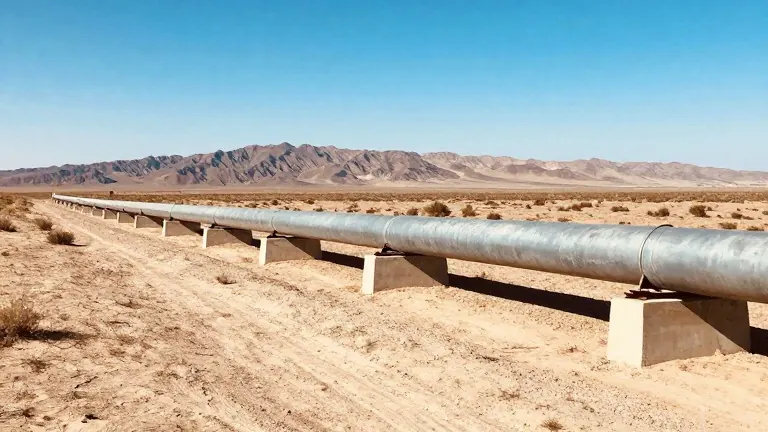
The state consumes 2.5 billion gallons of fuel annually. Drivers burned 1.2 billion gallons of gasoline last year, while the remainder consists of jet fuel and diesel. This volume arrives through only three pipelines. Two originate in California and one in Utah.
Current state reserves cover just one week of consumption. If a pipeline fails or a supplying refinery closes, Nevada lacks immediate alternatives. Experts note that refinery closures in California have already reduced supply options in recent years.
Republican Governor Joe Lombardo convened a Fuel Resilience Committee last year. The group included industry experts, state officials, and legislators. They concluded that the state must reduce reliance on California and increase storage. The committee proposed backing pipeline projects and developing rail infrastructure to receive fuel.
The committee's report finalized days before the recent election. Democrats elected Aaron Ford as the new governor. A spokesperson for Ford did not respond to questions about whether his administration supports the committee's findings.
Paul Enos, executive director of the Nevada Trucking Association and a committee member, emphasized the economic stakes. He stated that diesel is the oxygen in the economy's blood. Without it, food and medical supplies stop moving. He added that any measure to ensure a continuous supply benefits all citizens in the state.
Northern Nevada is the most exposed region. Only one of the three pipelines serves that area. That line shut down in 2019 due to wildfires in California. Refineries feeding that pipeline have also closed over the last few decades. Building a new refinery in Nevada is not a short-term option because the state lacks its own oil reserves and the process requires years of permits.
Southern Nevada relies on the CalNev pipeline connecting Los Angeles to Las Vegas and a second line from Salt Lake City. Governor Lombardo declared a state of emergency in 2023 when the Los Angeles line closed temporarily. That pipeline has since closed again due to wildfires. The region also faces federal air quality rules. If the Las Vegas Valley does not meet ozone standards by next summer, it will be reclassified as severe. That change would require the use of more expensive reformulated gasoline starting the following summer.