Midterm Candidates Trade Suits for Boots and Flag Pumps
Stylists say clothing choices now function as political branding, with voters assessing authenticity through footwear and accessories.
By Fatima Saleh ·
US congressional candidates are using specific clothing items to signal political allegiance and authenticity ahead of the midterm elections. Stylists and political observers note that apparel has become a primary tool for projecting relatability and capability in a social media driven campaign environment. Joe Zee, a celebrity fashion stylist, states that politicians are dressing for two jobs at once: looking capable of holding office while appearing connected to the voters they represent.
In Washington state, Democrat Marie Gluesenkamp Perez, a former car repair shop owner, relies on flannel shirts, work jackets, and practical footwear. Robert Ordway, a conservative public policy adviser, describes her style as spot on for the Pacific Northwest vibe. In Alaska, Democrat Mary Peltola wears traditional Yup'ik boots and rugged outdoor gear. Her campaign slogan references fish, family, and freedom, and her clothing choices emphasize her background as a native Alaskan who worked on a fishing boat.
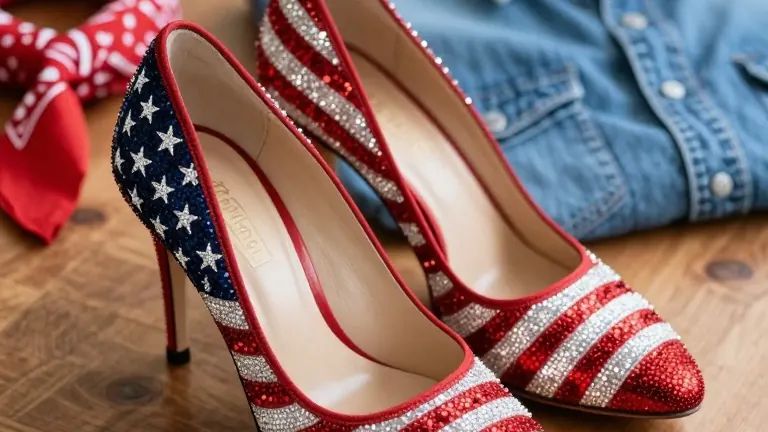
Republican Senate candidate Ashley Hinson of Iowa has adopted a patriotic aesthetic that includes denim, bandanas, and American flag bedazzled pumps. She wore the flag shoes to a primary election party in June. Bonnie Kristian, a conservative author, argues that Hinson is cultivating a visual identity that cannot be misinterpreted by rural voters. The look signals Republican loyalty and appeals to nostalgia, allowing Hinson to distinguish herself from specific Trump administration policy decisions while maintaining loyalty to the president.
In Texas, both Republican candidate Ken Paxton and Democrat James Talarico have abandoned neckties in favor of relaxed blazers and cowboy boots. Talarico, 37, wears handcrafted Lucchese boots, a choice fashion critic Friedman says taps into deep Texas semiotics. Paxton, 63, has faced criticism for his attire. Trump urged voters to focus on Paxton's record because it speaks louder than the suit he is wearing. Talarico also criticized Paxton for wearing a luxury watch and a Four Seasons polo shirt, a detail that complicated his message during a debate on the cost of living.
Other candidates have adopted personal uniforms to ensure immediate recognition. Tennessee Governor candidate Marsha Blackburn frequently wears structured jackets, skirts, and pearls. Michigan Senate candidate Abdul El-Sayed, running against a Trump backed opponent, consistently wears a black V-neck T-shirt and blue jeans. He describes his style as a minimal look with maximal politics, aiming to resemble a startup entrepreneur rather than a traditional politician.
Friedman notes that former President Donald Trump remains the master of visual branding with his navy suit and red tie. She predicts that as politics becomes more fought over social media, the premium on visual messaging will only increase for the 2028 general election. Candidates are increasingly understanding that a specific outfit can function as a Pavlovian signifier for their political brand.
Source: BBC News