Maine hunters distinguish grouse and partridge
Veteran upland bird gunners describe the distinct habits, equipment, and seasons for the two species, noting that partridge yields have been strong this year.
By Fatima Saleh ·
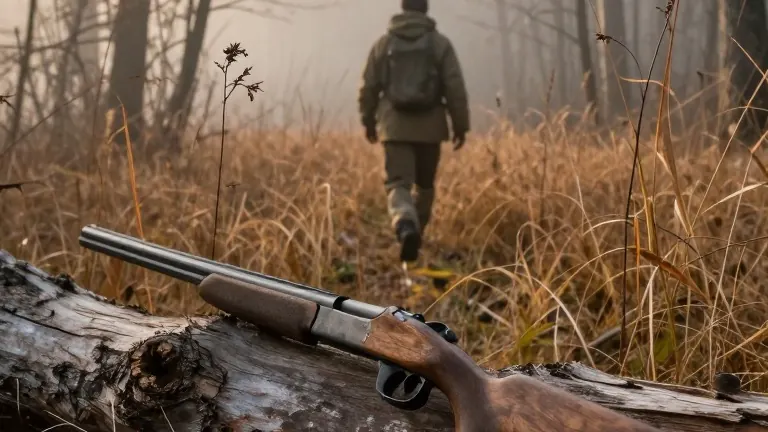
Upland bird hunting in Maine involves two distinct species that often confuse casual observers but differ sharply in behavior and habitat. While both are game birds, veteran hunters distinguish them by the terrain they occupy and the methods used to harvest them. The current season runs through the end of December, providing a final window for hunters to pursue these birds before winter sets in.
The primary difference lies in where the birds live and how they move. Ruffed grouse inhabit brushy areas and second-growth bushes. Hunters typically high-step through this thick cover, often using dogs to locate the birds. In contrast, partridge, often referred to as "Ol' Pat" by locals, favor old skidder trails and open woods. Hunters pursuing partridge generally drive slowly down backwoods roads or stalk on foot, watching for birds perched on stumps or basking on sunlit banks.
Equipment choices reflect these environmental differences. Grouse hunters frequently carry double-barrel 20-gauge shotguns and electronic callers. Partridge hunters often prefer well-worn single-shot guns or vintage pump-action shotguns. Some hunters opt for small-gauge weapons like .410 or 28-gauge shotguns to increase the difficulty of the hunt, as these shells carry fewer pellets. A few dedicated hunters even use compound bows or crossbows, though they acknowledge that archery requires significant precision to take down a flying bird.
Specific hunters in the region illustrate these varied approaches. Greg Palm of Presque Isle, who recently completed a big game Grand Slam two years in a row, uses a five-shot .410 Ruger Judge revolver. This choice adds a layer of challenge to the hunt. Other veterans use .22 rifles with low-power scopes, reasoning that a headshot preserves meat and that another bird is likely nearby if the first shot misses. Some hunters use break-action over-under shotguns, which limit range but emphasize accuracy over speed.
Ruffed grouse populations fluctuate based on weather conditions during spring hatching. In some years, hunters may walk all morning to find only a few birds. In other years, a hunter can bag a limit in an hour. These cyclic changes influence how seriously hunters take the season. When populations are high, many experienced gunners switch to less common weapons or techniques to test their skills. This practice, known as increasing the challenge, helps maintain the excitement of the sport even when game is plentiful.
Partridge results have been above average this year. Hunters have until the end of December to continue shooting. The season's success has encouraged many to revisit the sport. For long-time participants, the method of the hunt is often valued more than the total number of birds harvested. Adjusting gear and tactics keeps the experience fresh for those who have been hunting for decades.
The distinction between the two birds becomes less important after they are cooked. Many hunters note that the meat tastes the same whether the bird was grouse or partridge. The difference is in the experience of the hunt. Grouse hunting involves flushing birds from thick cover, while partridge hunting involves spotting them on the ground or in low flight. Both require patience and skill, but they offer different physical and mental challenges to the hunter.
Source: Bangor Daily News