Israel's share of world Jewry set to reach 62% by 2070, Pew study finds
A Pew Research Center study projects the global Jewish population will grow to nearly 18 million by 2070, with an increasing majority living in Israel.
By News Media House Staff ·
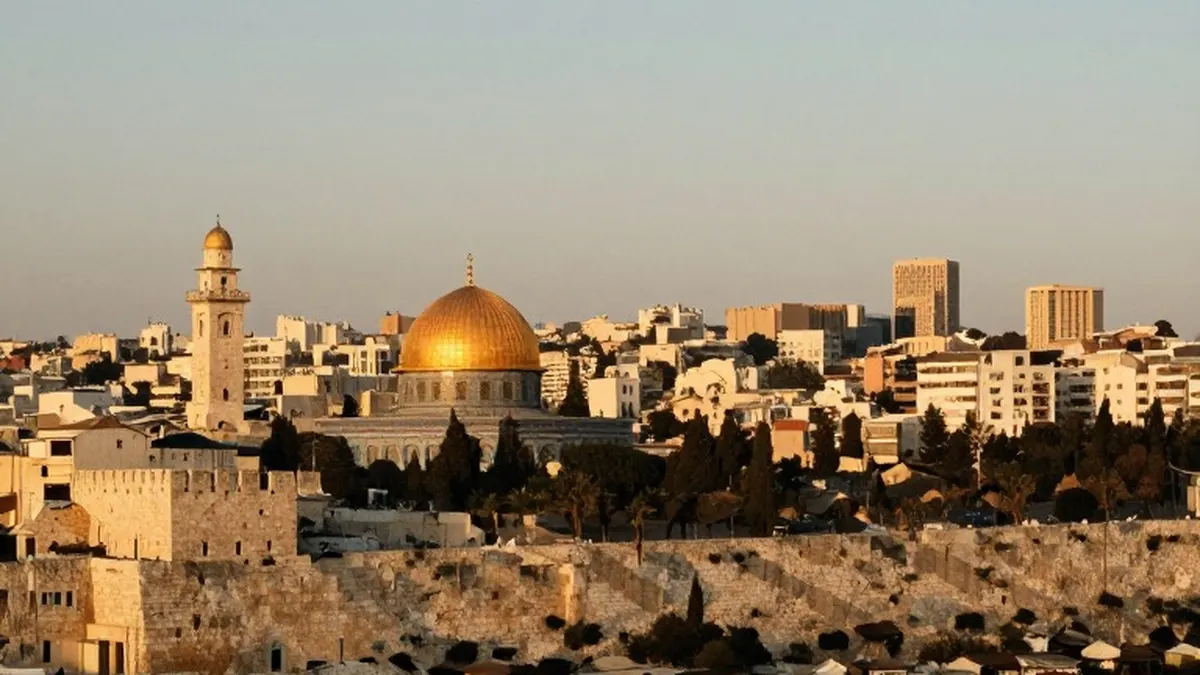
The global Jewish population is expected to grow from 15 million in 2020 to nearly 18 million by 2070, with 62 percent of that number living in Israel, according to a demographic study published Wednesday by the Pew Research Center.
Pew's data shows that 45.9 percent of the world's Jews lived in Israel in 2020, while 38.8 percent lived in the United States and 15.3 percent lived elsewhere. By 2070, the study projects, 62.5 percent will live in Israel, 25.5 percent will be in the United States and 12 percent will reside in the rest of the world.
The number of Jews in Israel is projected to rise from 6.8 million to 11.1 million, driven primarily by high birthrates, while the Jewish population of North America is expected to decline by about 1 million. Jewish women in Israel have an average of three children each, while those in the United States and Canada are expected to have fewer than two, below the replacement level.
Despite the overall increase, Jews are projected to shrink as a share of humanity, falling from 0.19 percent of the global population in 2020 to 0.17 percent by 2070. The projected 20 percent growth for world Jewry falls short of the 29 percent growth rate for the global population as a whole, and Jews are expected to remain the smallest of the seven major religious groups analyzed.
The portion of the world's Jews living in Europe is projected to decline from 9 percent to 5 percent. Russia, which currently has the world's seventh-largest Jewish population, is expected to fall out of the top 10 countries with the most Jews, while France will drop from third to fifth place and Mexico will join the top 10. The report said Jewish population growth in Israel will be needed to offset losses elsewhere, and no major geographic region is expected to see growth in the percentage of its population that is Jewish.
The study also mapped broader religious shifts. Islam is set to surpass Christianity as the world's largest religion by 2035, with Muslims due to account for 36 percent of the world's population by that year because of high fertility rates. If current trends continue, by 2070 the global Muslim population will grow 80 percent to 3.64 billion, while the Christian population will increase 30 percent to 2.96 billion. The Hindu population is projected to grow 17 percent by 2070, while the number of Buddhists will drop 23 percent.
Religiously unaffiliated people, also known as "nones," are projected to drop substantially as a share of the global population, from 24 percent in 2020 to 17 percent in 2070, a decline driven almost entirely by China's aging and contracting population, where the vast majority of the world's nones reside. The United States is projected to lose its Christian majority by 2070, when Jews will make up 1.2 percent of its population, down from 1.7 percent in 2020.
Jews had the highest life expectancy at birth of any major religious group in 2020, at a global average of 80 years, largely because life expectancy rates are high in Israel and the United States. By 2070, global Jewish life expectancy is projected to rise to 87 years. At the same time, Jews are older than the rest of the global population on average, with about four in ten aged 45 and older compared with about three in ten non-Jews. The median age of the global Jewish population was 38 in 2020 and is projected to reach 42 by 2070, higher than the projected global median of 40.
The report estimates global Jewry will gain about 550,000 people by 2070 due to conversions and other religious switching. Pew said its projections were built with a model that projects future populations country by country, using baseline data on age structures, fertility rates, mortality rates, international migration and religious switching patterns. All data about religious groups is measured according to religious self-identity, meaning people who consider themselves Jewish strictly in cultural, ethnic or family terms but practice another religion or identify as secular are generally excluded from the global Jewish figures.
Originally published by News Media House