Farage Stays Away From Budget To Avoid Commons Seat Scuffle
The Reform UK leader cited a prior physical confrontation and a missing seat reservation to explain his absence from the Chancellor's speech.
By Fatima Saleh ·
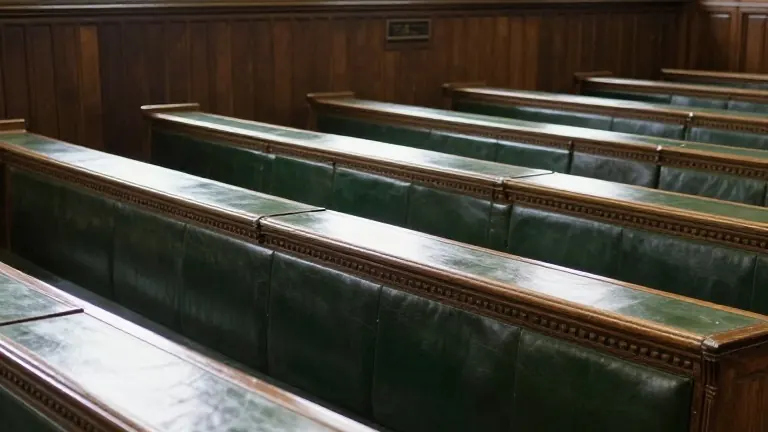
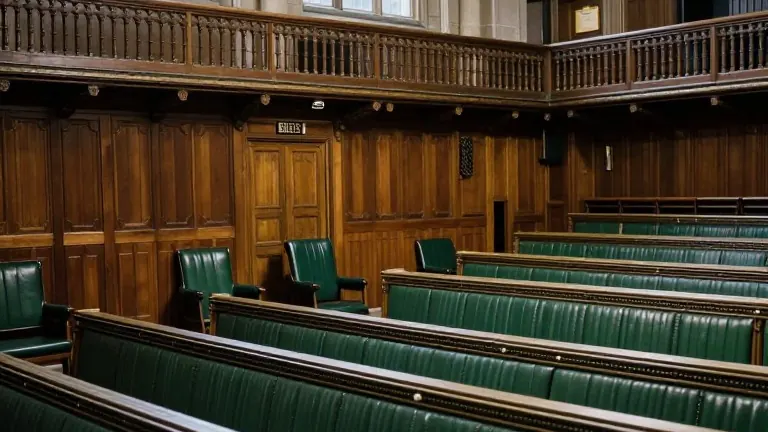
Nigel Farage was absent from the House of Commons on October 28 as Chancellor John Healey delivered his first budget, a decision Farage attributed to concerns over a physical clash over seating arrangements. The Reform UK leader told a press conference later that he had chosen to give parliament a wide berth after another Member of Parliament removed a green paper slip that had reserved his seat. Farage said he feared the situation would turn physical, referencing a previous incident during the state opening of parliament where he got into a physical altercation with an MP in the chamber.
The leader explained that he did not make a fuss about the earlier scuffle but noted that the removal of his prayer card signaled a repeat conflict. He stated that avoiding such incidents is one reason for his absence, while the second reason was to review the budget line by line with economists in his office. It later emerged that the seat reservation was removed because the prayer card did not display a valid date stamp, a procedural error that triggered the usual chamber protocol.
In his written response to the budget, Farage criticized the Chancellor’s policies and offered political predictions. He suggested that the small giveaways in the plan indicated a general election would occur in May 2027, adding that Reform would be ready to run in an election as early as December. He also took aim at the increased machine-games duty on gambling shops, arguing the new tax would harm the horse-racing industry and drive gambling activity offshore or into the crypto sector.
Farage addressed his party’s stance on cryptocurrency taxation, confirming that Reform still plans to cut capital gains tax for crypto investors. He described the policy as a way to bring crypto assets into a regulated system, proposing a 10 percent tax rate to incentivize participation. Although he acknowledged the policy could benefit large donors, he maintained it would not advantage his backers overall, framing the move as an effort to integrate the asset class into the mainstream economy.
The Reform leader expressed surprise at the scale of economic and military aid pledged to Ukraine, which the budget allocated at 10 billion pounds. Farage said he was shocked by the size of the package but stated he did not mind the amount if he could be assured the funds would not be swallowed up by corruption. He claimed to be more worried about Vladimir Putin’s rationality than at any prior point in the conflict, while expressing concern that the money would be spent properly.
Farage also revisited the 2022 budget under former Prime Minister Liz Truss, a plan he had previously praised. He said he liked the top lines of that budget but noted a critical error in its execution: the government did not cut spending. He argued that if spending had been reduced radically, taxes could have been cut more deeply, identifying this as the primary lesson from the Truss administration's brief tenure.
In a separate remark, Farage responded to the conviction of Tommy Robinson for harassing journalists, stating that the far-right agitator’s behavior had obviously been very wrong. He clarified that while Reform members might admire Robinson, they would not be penalized for doing so, noting that liking a social media message does not make them full-blown marchers in support of his cause.
Source: The Guardian