Congo Residents Sue Mine Over Health
Twenty-seven families in Kolwezi claim pollution from the COMMUS mine caused birth defects and illness, seeking $6.3 million in damages.
By Lauren Foster ·
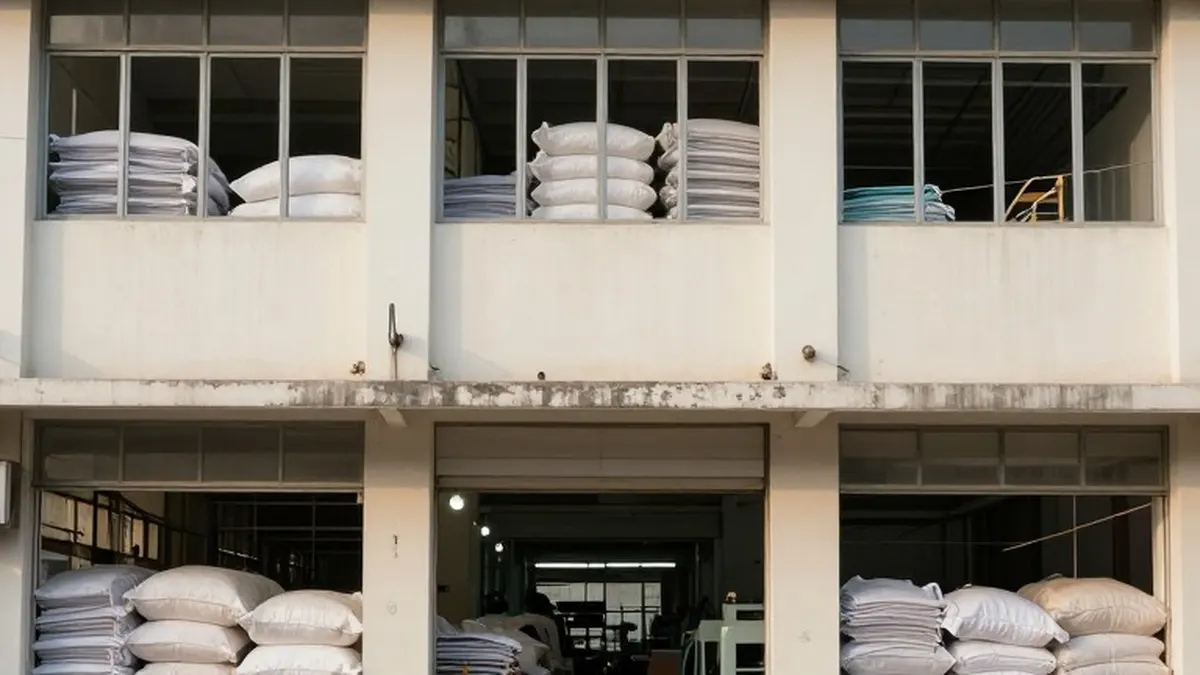
Twenty-seven residents of Kolwezi, Democratic Republic of Congo, filed a lawsuit on Nov. 3 seeking $1.3 million in compensation for health problems and $5 million for environmental restoration.
The plaintiffs are suing the COMMUS mine, owned by Chinese multinational Zijin, and the Congolese government. They accuse the mine of polluting the area and the government of failing to enforce environmental regulations.
One plaintiff, a mother living in a cinderblock home near the mine, said she has lost three children. Two died at birth, and a third suffered repeated nosebleeds before dying. One of her surviving children has stunted growth. She asked that her identity not be reported, fearing retribution from the company or local residents.
The other claimants describe similar issues, including contaminated water, skin rashes, miscarriages, and birth defects. Their lawyers said they are concerned the plaintiffs might face pressure to withdraw their testimony.
A June study by environmental research organization Source International, conducted with advocacy groups RAID and Afrewatch and scientists from the University of Lubumbashi, found high levels of pollution in the city. The study reported that fine particulate matter, or PM2.5, in Kolwezi reached three to six times the World Health Organization's air quality guideline. The highest concentrations were recorded near the COMMUS mine.
Dust samples from the area contained residue of copper, cobalt, and manganese, which the researchers linked to mining waste. Flaviano Bianchini, executive director of Source International, called the results among the most concerning air quality findings from industrial mining sites in years.
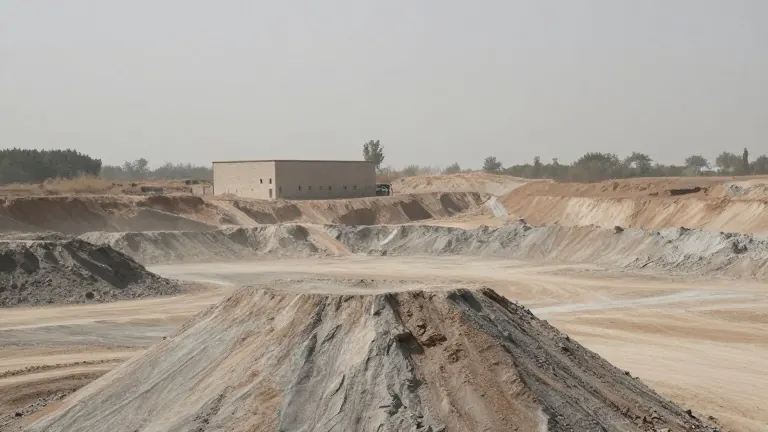
Nurse Héritier Bukassa works in a clinic near a mountain of waste from the COMMUS mine. He said patients routinely suffer from itchy hives, with some scratching themselves with knives to relieve the itching. Bukassa referred four babies born with congenital malformations, mostly cleft palates, to hospitals this year. He also noted high rates of miscarriage among local women.
Zijin and Congo's mining and environment ministries did not respond to requests for comment. The Cobalt Institute, an industry lobby group, stated that understanding pollution requires an evidence-based approach that considers all potential sources. RAID described the lawsuit as one of the most ambitious legal challenges brought by Congolese residents over industrial mining pollution.
The mother who lost three children said she has no fear of intimidation. She stated that the residents have a right to a clean environment and to health.
More World · Greensboro news · Report a business · Got a Story?