CDC Data Contradicts White House Overdose Claims
Experts argue drug death declines began under Biden, not in the last 18 months as officials stated.
By Samuel Hayes ·
The White House announced earlier this week that U.S. drug overdose deaths have fallen to their lowest level in a decade. Officials said the decline saves nearly 50,000 lives annually and represents a 41.5% drop from the peak under the previous administration. The administration attributed this improvement primarily to policies enacted over the last 18 months under President Trump.
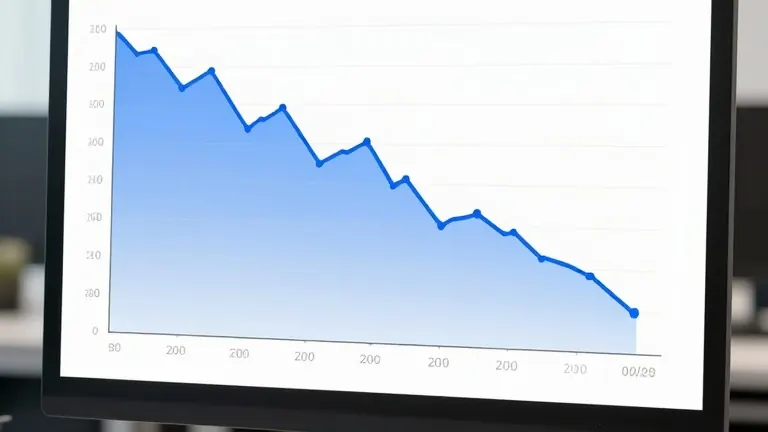
Drug policy researchers say the timeline in the White House statement does not match the data. The Centers for Disease Control and Prevention data show that reductions in drug deaths began in 2023. The decline has continued for at least 39 consecutive months. By the time President Biden left office in early 2025, fatal overdoses had already dropped by roughly one-third.
Sara Carter, the director of the White House Office of National Drug Control Policy, defended the administration's framing in an emailed statement. She argued that the Biden administration does not deserve credit for overseeing the highest drug overdose numbers in history before bringing them down. Carter stated that while the numbers eventually declined, the previous administration should not claim success for reversing a failure. She described the earlier drop as a misinterpretation of a graph rather than true progress.
Vanda Felbab-Brown, a drug policy expert at the Brookings Institution, noted that a steady decline in overdose deaths has been visible since the spring of 2023. She emphasized that the sustainability of this trend is the critical factor. Felbab-Brown credited the Biden team for expanding healthcare access, increasing the availability of naloxone, and negotiating a deal with China to disrupt the flow of industrial chemicals used to make fentanyl. She also pointed to drug interdiction efforts against Mexican cartels that began during the prior administration.
Nabarun Dasgupta, a street drug researcher at the University of North Carolina at Chapel Hill, said he detected the initial drop in some regions and demographic groups as early as 2021. He identified the period from early 2024 through spring 2025 as the time of the greatest rate of decline ever recorded. Both Dasgupta and Felbab-Brown acknowledged that improvements have continued under the Trump administration. They stressed that an accurate timeline is necessary for researchers to understand why fentanyl deaths surged and why they are now falling.
Carter said the current administration is positioned to build on these reductions by maintaining border security and attacking drug gangs. She claimed the government is dismantling violent cartels through coordinated operations. Felbab-Brown disputed this assessment, stating that no narco-terrorist organization has been fully dismantled. She noted that these groups continue to operate strongly and smuggle drugs. Military experts have also questioned the effectiveness and legality of recent strikes against boats described as smuggling vessels in the Caribbean and eastern Pacific.
Dasgupta expressed concern about the future of these gains. He noted that the Trump administration is implementing deep cuts to Medicaid, a law passed by the Republican Congress. The Congressional Budget Office estimates these cuts could cause as many as 10 million Americans to lose health insurance coverage. Dasgupta said Medicaid is the largest funder of addiction services in the United States. He argued that cutting eligibility or making treatment harder to access will leave people without effective care.
The White House statement highlighted heightened border security and the dismantling of narco-terrorist organizations as key drivers of the recovery. Carter, a former podcaster and Fox News contributor, blamed the previous administration for failing to secure the U.S.-Mexico border and allowing drug deaths to surge. She said the current team is relentlessly attacking drug gangs to sustain the decline.