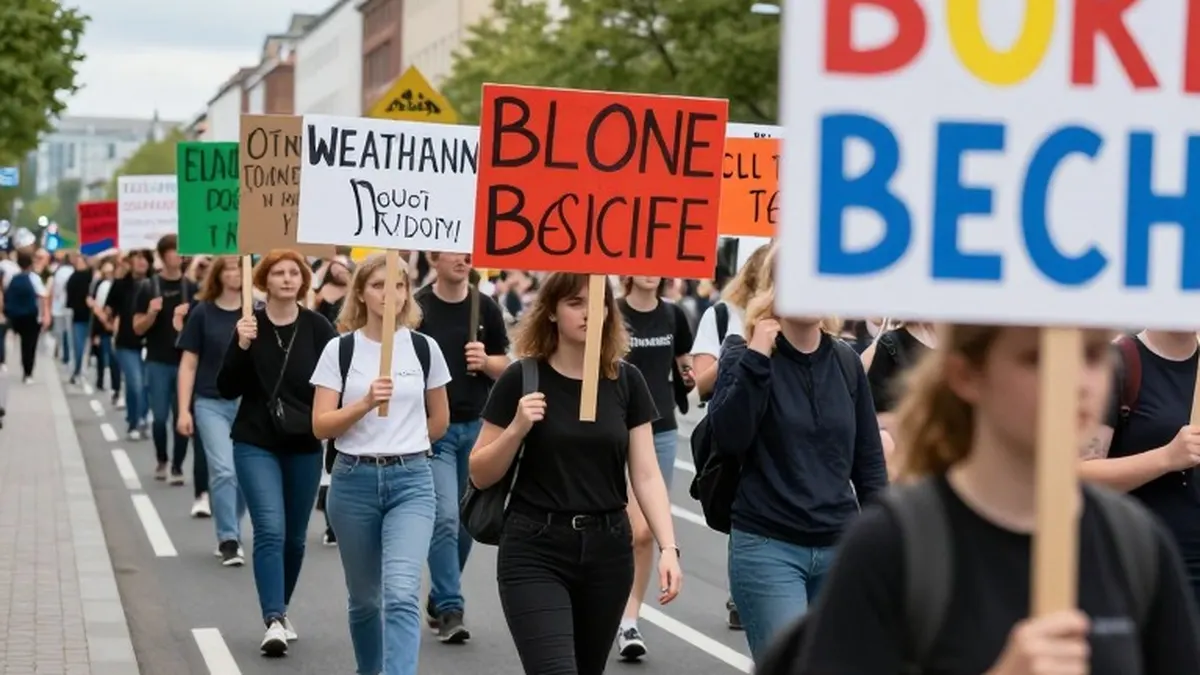
Downing Street confirms UK-EU reset deal despite ongoing tuition fee dispute
Downing Street has announced a reset deal with the EU covering trade and mobility, though a dispute over tuition fees for European students remains unresolved for the next six months.
By News Media House Staff ·
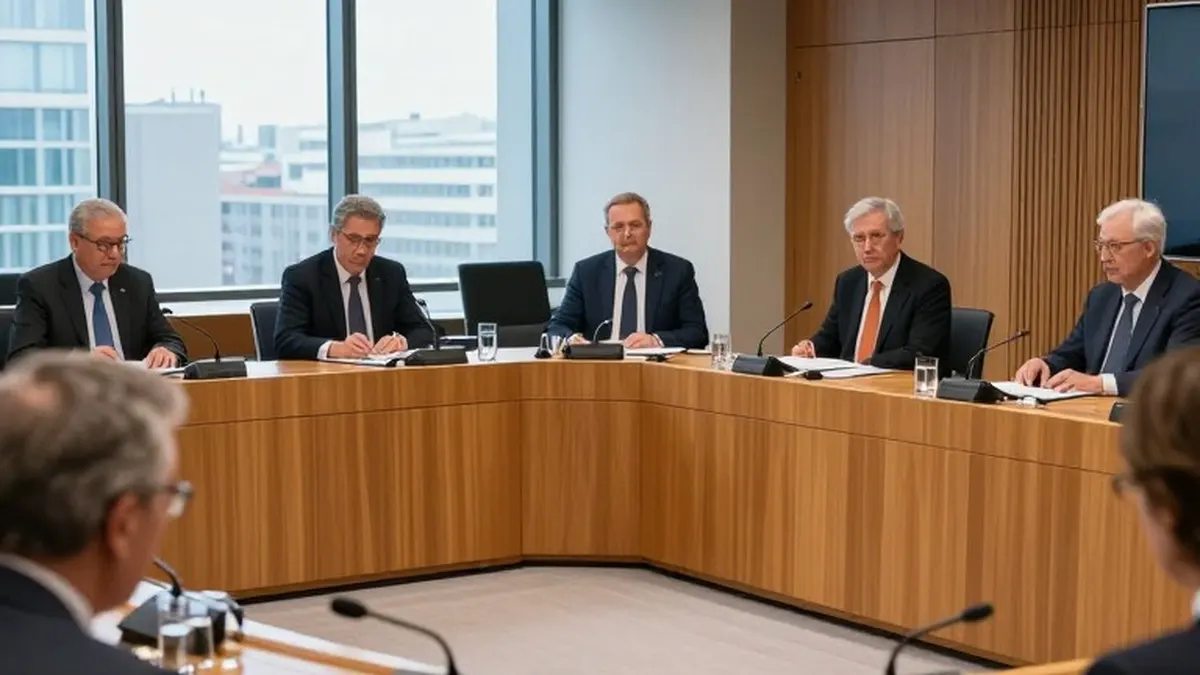
Downing Street has confirmed that the United Kingdom and the European Union have reached a comprehensive reset agreement, although a key point of contention regarding tuition fees for European students remains unresolved. A statement from No 10 released on Friday, less than an hour after Prime Minister Andy Burnham arrived in Brussels, declared that negotiations had concluded. He was greeted at the summit venue by European Commission President Ursula von der Leyen and European Council President Antonio Costa.
The newly agreed framework encompasses three distinct areas of cooperation: food and drink, emissions trading, and a youth mobility scheme. However, EU sources indicate that these agreements will not officially enter into force until the two sides reach a settlement on the rates EU students will pay for tuition at UK universities. This condition stands in contrast to earlier assurances from UK officials who argued that the tuition fee issue was separate and should not jeopardize the broader package of deals.
While the main agreements are now in place, talks specifically focused on tuition fees are scheduled to continue for another six months. UK officials noted that new arrangements for food and agriculture are set to come into effect in March 2028, regardless of whether a final resolution on student fees is reached during that period. The UK also secured a preliminary sign-up to the EU's forthcoming 'Made in Europe' policy, a protectionist initiative designed to limit Chinese influence on European industry. One official described this inclusion as a significant victory, particularly given that it was achieved before the tuition fee impasse was resolved.
The summit proceedings began with a brief musical performance by a string quintet playing the anthems of both nations. No immediate statements were made by the leaders during this initial meeting. The scale of the UK delegation underscored the importance London places on the summit, with Prime Minister Burnham accompanied by several senior cabinet ministers. The group included First Secretary of State Louise Haigh, Chancellor John Healey, Foreign Secretary Ed Miliband, Business Secretary Jonathan Reynolds, Environment Secretary Angela Eagle, and Chief Whip Anneliese Midgley.
In remarks to business leaders earlier in the day, Prime Minister Burnham emphasized the practical benefits of closer ties, stating that it simply makes sense to get closer. He described the summit as a major opportunity to put the country on a better path, aiming to break with a decade of stagnant growth and rising costs. He expressed hope that the day would bring a greater sense of possibility and positivity for the nation.
Despite the UK government's stance, EU institutions have maintained that equal treatment for students is essential for the success of the entire deal. A statement from the Council and Commission noted that they consider the agreement to provide for equal treatment with nationals regarding tuition fees for all students. They acknowledged that these four agreements form a single package resulting from the 2026 EU-UK summit. An EU official reiterated that the bloc's position remains clear, asserting that the issue of fee parity needs to be addressed.
The core of the financial dispute involves the EU's demand that its students pay UK domestic rates, which are currently capped at 9,790 pounds for the academic year, rather than the higher international rates that can be four or five times more expensive. In a concession late Thursday, the EU agreed to defer a final decision on this matter by six months. During late-stage negotiations, the UK reportedly suggested a rate as low as 12,000 pounds for EU students, but the bloc continues to seek full equal treatment, suggesting that tough negotiations lie ahead.
One of the finalized components of the deal is a youth mobility scheme that allows 100,000 young people from each side to live, work, travel, and study across the Channel for up to three years. Even before the deal was fully finalized, Prime Minister Burnham faced criticism from anti-Brexit politicians. Nigel Farage, leader of Reform UK, who is also present in Brussels, spoke to LBC radio to argue that the UK is effectively rejoining a significant portion of the single market. He described the move as unnecessary and criticized Burnham for being led by European bureaucrats.
Farage is scheduled to host a press conference later on Friday to further outline his party's position on the newly announced agreements. The debate over the long-term implications of the reset deal is expected to dominate political discourse in the coming days as both sides prepare for the next phase of negotiations on student fees.
Originally published by News Media House