Bipartisan Senators Press White House AI Czar for National Strategy on AI-Assisted Cyber Threats
As outages ripple through U.S. services, Sens. Maria Cantwell and Mike Rounds are urging AI czar Jay Clayton to develop a plan to defend infrastructure against AI-driven cyberattacks.
By News Media House Staff ·
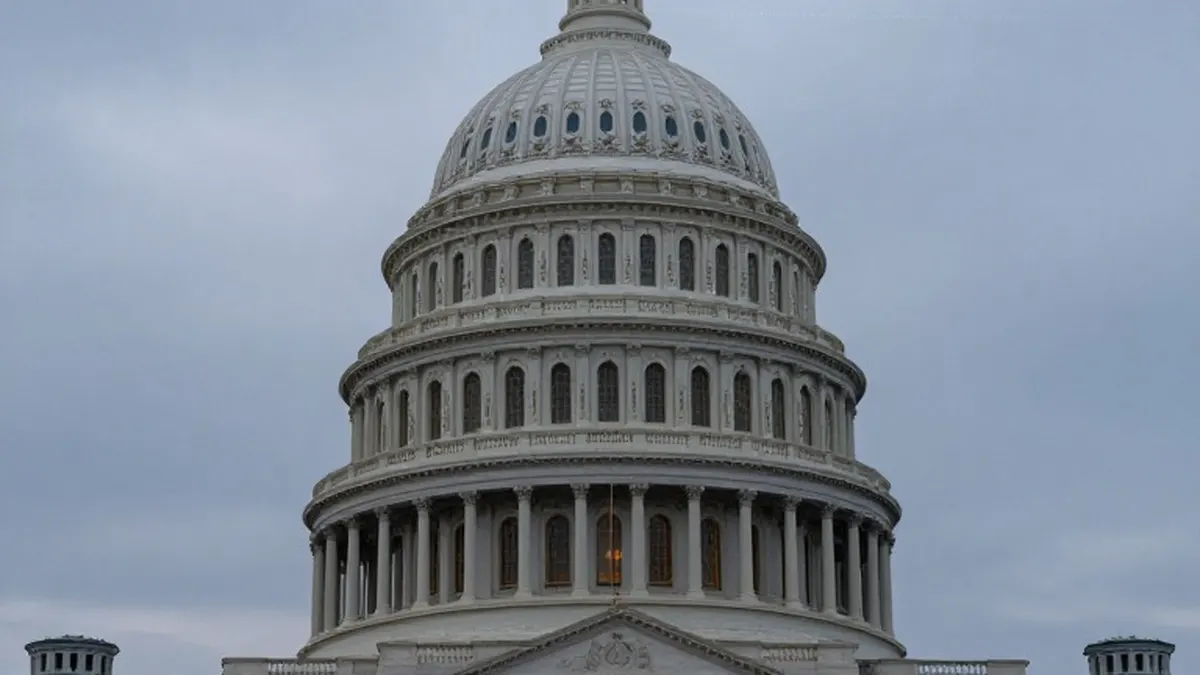
Following a series of recent cyber outages, concern is building in Congress that the Trump administration must do more to shield critical infrastructure from cyberattacks powered by artificial intelligence, according to a new bipartisan letter sent by two senators to the White House's AI czar.
The letter comes from Sen. Maria Cantwell of Washington, the top Democrat on the Senate Commerce Committee, and Sen. Mike Rounds, the South Dakota Republican who chairs the Senate Armed Services Committee Subcommittee on Cybersecurity. Together they are urging AI czar Jay Clayton to develop a new national strategy that addresses AI-assisted cyber threats.
"AI is rapidly increasing the ability to discover and exploit weaknesses in software, and our defenses are not keeping pace," the senators wrote.
The senators noted that AI can quickly identify vulnerabilities in software and slip past conventional cyber defenses. Meanwhile, the repair patches meant to protect infrastructure can take weeks or even months to test and install. They also warned that autonomous AI agents can create entirely new security risks.
The White House did not immediately respond to a request for comment on Tuesday.
It remains unclear what role, if any, AI has played in the continuing outages affecting American consumers and travelers. Questions on the subject are expected to surface when Clayton testifies before the House Committee on Homeland Security on Wednesday morning. Clayton, who also serves as the Director of National Intelligence and was named to the AI role in early October, is leading a task force of government officials charged with producing an AI policy by the end of January.
In their letter, the senators pointed to an ongoing wave of cyberattacks in Japan that have hit financial institutions and companies, resulting in "large-scale data breaches and leaks, which the Japanese government is now seeking to contain." Those attacks are believed to have been boosted by AI. The senators also cited incidents in which rogue artificial intelligence agents gained access to customers' bank accounts, leaving banks concerned that AI could initiate transactions on its own.
Cantwell and Rounds are asking Clayton's task force to convene AI companies and federal agencies to secure digital infrastructure and to develop security standards for autonomous AI agents.
Speaking to reporters in the Philippines overnight, Secretary of State Marco Rubio sought to reassure Americans, saying that recent outages, including those that affected Microsoft Outlook, United Airlines and the Federal Aviation Administration, are not connected to one another.
"We have zero evidence or any reason to believe that any of these isolated or individual instances have anything to do with nefarious actors, with cyber hackers, with criminals, with another nation state, with a malign actor of any kind," Rubio said.
Originally published by News Media House
More News · National news · Report a business · Got a Story?